THE VIDEO
Watch Ban Mai plead to go home to Nepal
THE STORY
On 25 March, 2021 the Nepali government became involved in the case of Ban Mai Dong, a Nepali woman who traveled to Lebanon 13 years ago. According to the Nepali Ministry of Foreign Affairs, Ban Mai, “wished time and again to come back to Nepal but no favorable environment has been fostered by that country to send her back.”
Ban Mai’s family contacted This Is Lebanon seeking help in July, 2021. According to Ban Mai’s younger brother, she has only ever remitted about $3500 (exact amount is unavailable). Her case is complicated because she is ethnically Tamang, speaks no Nepali, has never attended school and is illiterate. These factors make it easy to manipulate and deceive her.
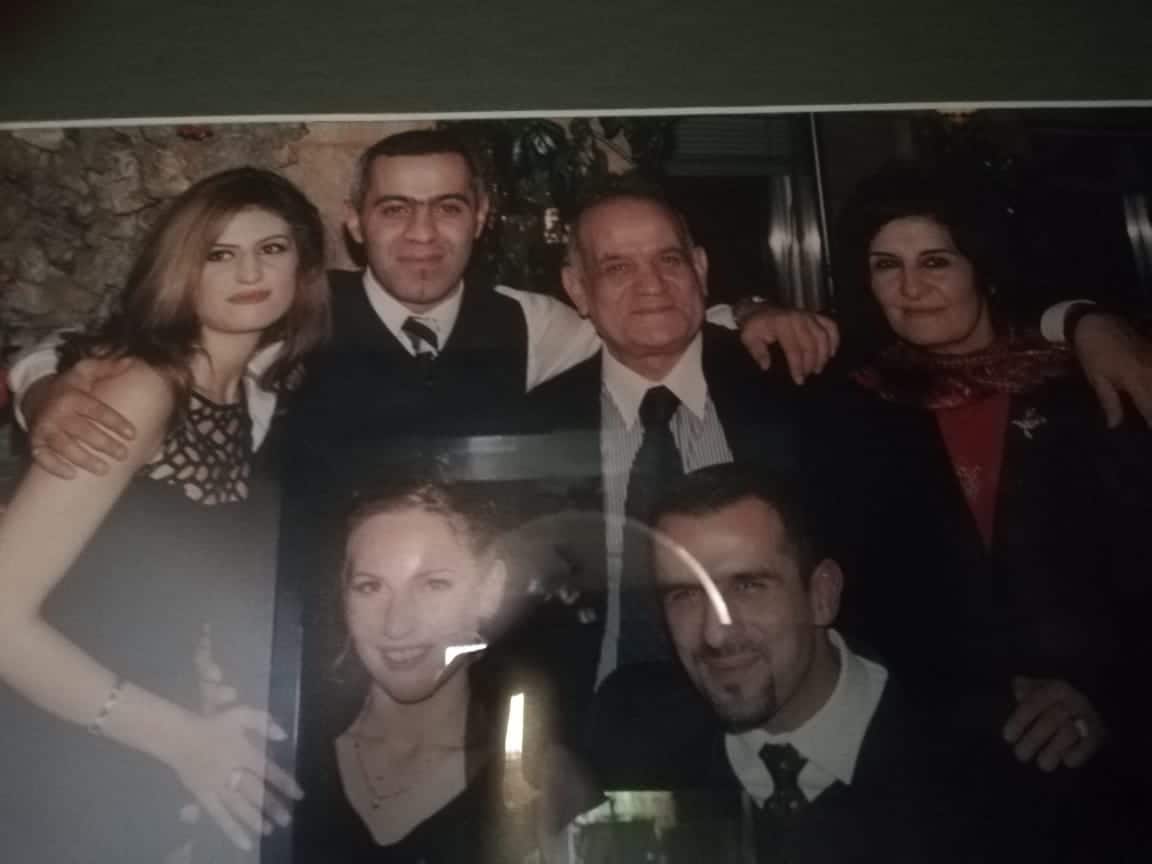
Ban Mai has been employed by Dr Nawaf Assad Abdallah, 81, and his wife Asia Ayte for about 11 years. They have 3 adult children, Layal, Achraf and Firas. Dr Abdallah was a Major in the Customs Department and is now retired. He is a psychologist.
We contacted Ban Mai via Facebook Messenger and were glad to hear that she is not being physically abused; in fact, she has a warm relationship with her employers.
Communication was difficult due to the fact that she doesn’t speak her national language. However, Ban Mai does speak passable Arabic and she was able to express clearly her desire to return to Nepal. You can listen to her voice message here. She says she wants to “return however possible” but doesn’t have trust in people. She said Dr Abdallah says, “What would you do there? You don’t have anyone there.”
Having firmly established Ban Mai’s desire to return to Nepal, we contacted Dr Abdallah who claims that Ban Mai is not a maid, she is a member of the family. According to Dr Abdallah the only person who loves Ban Mai more than him is his wife. He said:
“I asked her who she loves more, her mother who gave birth to her or Asia, and she replied mama Asia.”
That is why, he says, she does not want to return to Nepal. He was keen to emphasize that “she came naked” to them and they paid $1500 to put her under their name. When asked about her salary, he said her family had wasted the money she had sent so she did not want to send anymore, preferring to save it with them. He said, “If I have a few dollars I put them aside for her. We are victims of the financial situation and she is sharing in it equally with us.”
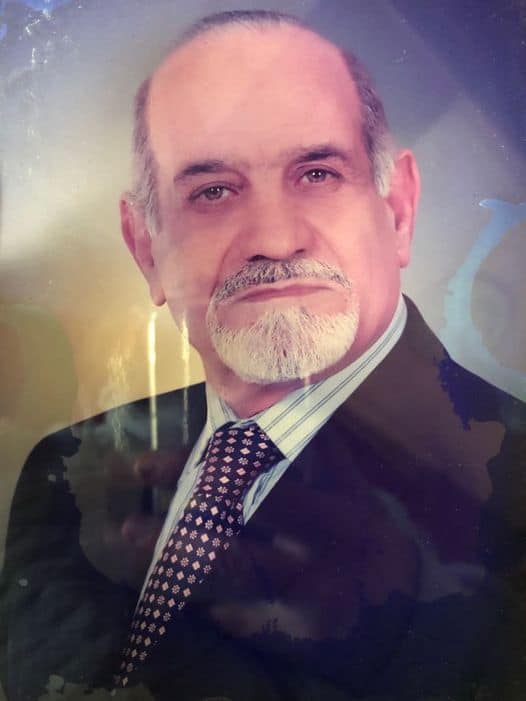
“We are victims of the financial situation and she is sharing in it equally with us.” – Dr Abdallah

Unfortunately, the discussion with Dr Abdallah did not lead anywhere. We then reached out to Layal Sheppel, his daughter who lives in South Africa, advising her we wanted to avoid posting and asking her to talk to her parents and ask them to send Ban Mai home. She replied, “Good day, after understanding the full story, I will ask you kindly not to bother me or any other person related to my family with your tricks as we can sue all you with law. Ban Mai herself had been saying and keeps saying that she, herself, is very happy and spoiled with my parents and has no intention of leaving them. She can even speak Arabic fluently. We can complain and take you to court wherever you are. So for the last time, please don’t contact me or any other person related to me, my family and Ban Mai included because she is more than a sister to me as the second daughter to my parents.”
“She is more than a sister to me as the second daughter to my parents.” – Layal Sheppel
Ban Mai has clearly said she wants to go home. She is owed about a decade in unpaid salary. If she considers herself one of the Abdallah family and wishes to return to them after visiting Nepal, that is her choice. But only when she is back in Nepal, amongst her own people, will Ban Mai’s story be fully known.
UPDATE: Ban Mai Is Home — But Justice Remains Out of Reach
Ban Mai is home in Nepal, among her own people. Her story, however, is far from over. What happened to her is now documented in painful detail.
For years, while Ban Mai was still in Lebanon, This Is Lebanon worked on her case. We engaged a lawyer to negotiate with Nawaf, arranged for a foreign journalist to visit Ban Mai’s family in Nepal and report on her story, kept the consulate informed, liaised with Nepal’s Ministry of Foreign Affairs, and maintained contact with Ban Mai herself.
After our involvement began, Ban Mai was given a telephone. On rare occasions, she was permitted to leave the house. But these limited concessions did not change the fundamental reality: she remained under Nawaf’s control.
During one of those rare outings, Ban Mai told other Nepali women that she was worried about how Nawaf would make his coffee while she was away.
That detail illustrates the extraordinary degree of control she appeared to have internalised. Under those circumstances, pursuing a General Security investigation was unlikely to produce a meaningful result. Ban Mai did not see herself as a victim. She trusted her employers completely. She believed they would ultimately do the right thing, pay the salary she was owed and send her home. Had she been questioned by investigators at the time, she would almost certainly have defended them.
That trust was misplaced.
The day Ban Mai was abandoned
On 11 April 2025, Ban Mai believed she was finally being sent home to Nepal. She packed her belongings and went to the supermarket next door to buy a few last-minute items.
When she returned, her bag was outside. The door was locked.
A stranger found her crying and in shock on the pavement and took her to KAFA, where she was given shelter.
This Is Lebanon subsequently established that Nawaf and Asia had boarded a flight to South Africa, apparently to join their daughter, Layal, who has lived there for more than a decade.
On 29 April 2025, KAFA purchased Ban Mai a ticket home. This Is Lebanon arranged for her brother to meet her at the airport and provided accommodation for her in Kathmandu, where she remained for approximately a year.
Even after arriving in Nepal, Ban Mai continued to believe that ‘Baba’ and ‘Mama’ or their children – Firas, Achraf and Layal – would pay her. For a time, Achraf remained in contact, telling her to be patient and promising that money would be sent. No money came. Eventually, both he and Firas stopped answering her calls.
The $400,000 story
It was only when Ban Mai contacted Firas from a Canadian telephone number that he answered.
What followed was a remarkable tale.
Firas claimed that his father had withdrawn approximately $400,000 from the banks, but that nobody knew what had happened to the money because his father had lost his memory and had become, in Firas’s words, “like a child.”
According to Firas, he and his brother had searched the house from top to bottom for the missing money and the ownership documents for their father’s properties, which they intended to sell. They had found neither. He said police were investigating whether someone had taken advantage of his father.
Ban Mai’s concern was considerably simpler.
“I have nothing, Firas. Nothing,” she told him, explaining that she needed the salary she had earned.
Firas expressed sympathy. “I know the situation is shit there,” he told her. He promised to call her within two days and said they would “get something” for her.
He never called and subsequently declined further calls.
The family’s response
Ban Mai then asked the negotiator to contact Zahraa El Eit, the niece of Nawaf and Asia.
Initially, Zahraa appeared sympathetic. She was, after all, the person who had given Ban Mai the $200 she left Lebanon with.
Zahraa said Nawaf was now senile, but assured the negotiator that Firas and Achraf were “good people” and that she had spoken to them and they had agreed to pay Ban Mai. When asked how Asia could have allowed Ban Mai to leave without her wages, Zahraa reportedly said that Asia was “weak, had no say and would receive a beating if she tried to intervene.”
This Is Lebanon subsequently contacted all three Abdallah children in a WhatsApp group.
We told them that legal action had been initiated against their parents. We appealed directly to their humanity, explaining that Ban Mai was in desperate circumstances and saying:
“Ban Mai is now in dire need and suicidal. It is time for you to step up and do what is right – as your father always promised her you would do.”
They were told that Ban Mai was owed $36,200, but that she was prepared to accept substantially less.
Layal responded on behalf of the siblings.
Her position was unequivocal. She said they were not concerned by the matter, had “absolutely no involvement in it,” and had no further contact with Nawaf. She said any legal action should be taken directly against him because, in their view, “He is the only individual concerned by this matter.”
After we sent Layal audio recordings of conversations with Firas and Zahraa, she responded “Mrs Zahraa and Mr Firas were trying to be class and understand the situation.” She subsequently threatened legal consequences for what she described as harassment of innocent people.
The allegations against Ban Mai
When Zahraa was contacted again, she raised a set of allegations.
According to Zahraa, her cousins had searched Ban Mai’s telephone and discovered that she held an account with GS, a major Beirut retailer, and had purchased numerous items. She also claimed they had found evidence on Ban Mai’s phone that she had stolen property from the house.
There is a fundamental problem with these claims.
Ban Mai is illiterate. She rarely left the house. The suggestion that she had somehow established a retail account and accumulated purchases is difficult to reconcile with the circumstances in which she lived.
More importantly, when Ban Mai entered the shelter, no stolen property was found in her bag.
Zahraa also claimed that her cousins possessed records proving that Ban Mai had been paid her salary.
The negotiator asked for those records to be provided.
They never were.
What happens now?
There is a legal case against Nawaf Abdallah.
But the reality is stark: the case will never reach a meaningful conclusion.
Nawaf is elderly and, according to accounts provided to us by members of his own family, suffering from significant cognitive decline. Given that the legal process takes years, the defendant will be dead before the matter is resolved.
And that leaves Ban Mai facing the reality that the passage of time itself will become the mechanism by which justice disappears.
The Abdallah children may be legally insulated from their father’s obligations – they say they have no involvement in the matter – but when a family knows what has happened to a worker who served their parents for years, when they know she has returned home with virtually nothing, and when they are asked to intervene and simply walk away, what does that say about them?
Ban Mai is finally home.
But going home is not the same thing as receiving justice.
The People
“I want to go to my village. I miss my family a lot” – Ban Mai
Dr. Nawaf Abdallah
Psychologist, major in customs, insists that no one loves Ban Mai as much as he and his wife do, even more than her actual family.
Asia Ayte
Her husband claims that Ban Mai loves her more than her own mother!
Layal Sheppel
Lives in South Africa and considers her parents’ domestic worker as her sister – might be something to do with the fact that sisters, unlike workers, don’t need to be paid.
Firas Abdallah

Achraf Abdallah

Ban Mai Dong
Worked for 15 yrs 3 mths and was sent home with $200
TAKE ACTION
We can’t do this alone. We need your help! Join us in this fight.
Contact the Sponsors
Talk to the Dr Nawaf Abdallah and ask them to release and pay Ban Mai now.
Share the Story
Tell others about this. Join us in the fight to ensure that {NAME} are brought to justice.
Join Our Work
We need your help to continue our efforts in fighting for Ban Mai and others like her.
Get the Updates
Get the updates straight into your inbox so you don’t miss any part of the story.
القصة
في 25 آذار 2021، شاركت الحكومة النيبالية في قضية “بان ماي دونغ”، وهي امرأة نيبالية سافرت إلى لبنان منذ ثلاثة عشر عاماً. ووفقاً لوزارة الشؤون الخارجية النيبالية، فإن بان ماي “كانت تتمنى مراراً وتكراراً العودة إلى نيبال، لكن لم يتم توفير بيئة ملائمة من قبل ذلك البلد لإعادتها.”
“كانت تتمنى مراراً وتكراراً العودة إلى نيبال، لكن لم يتم توفير بيئة ملائمة من قبل ذلك البلد لإعادتها.”
اتصلت عائلة بان ماي مع جمعية “هذا لبنان” في تموز 2021 تطلب المساعدة. ووفقاً لشقيق بان ماي الأصغر، فقد قامت بتحويل حوالي 3500 دولار فقط (لا تتوفر معلومات دقيقة عن المبلغ). قضيتها معقدة لأنها عرقيّاً من أصل “تامانغ”، ولا تتحدث اللغة النيبالية، ولم تلتحق بالمدرسة مطلقاً فهي أميّة. وهذه العوامل تجعل من السهل خداعها والتلاعب بها.
تعمل بان ماي لدى الدكتور نواف أسعد عبد الله، 81 عاماً، وزوجته آسيا العيط منذ أحد عشر عام تقريباً. لديهم ثلاثة أولاد راشدين، ليال وأشرف وفراس. كان الدكتور عبد الله رائداً في مديرية الجمارك وهو الآن متقاعد. إنه عالم نفس.
اتصلنا مع بان ماي عبر فيسبوك مسنجر وسعِدنا لسماع أنها لا تتعرض للإيذاء الجسدي؛ في الواقع، لديها علاقة حميمة مع أصحاب عملها الذين يعاملونها بشكل جيد. كان التواصل عسيراً لأنها لا تتحدث لغة بلدها. ومع ذلك، فإن بان ماي تتحدث العربية بشكل مقبول لتتمكن من التعبير بوضوح عن رغبتها في العودة إلى نيبال. يمكنكم الاستماع إلى رسالتها الصوتية هنا. تقول بأنها تريد “العودة بأية طريقة ممكنة” لكنها لا تثق بالناس. أخبرتنا بأن الدكتور عبد الله يقول: “ماذا ستفعلين هناك؟ ليس لديك أحد هناك.”
بعدما تأكدنا تماماً من رغبة بان ماي في العودة إلى نيبال، اتصلنا بالدكتور عبد الله الذي يدعي أن بان ماي ليست خادمة، فهي أحد أفراد الأسرة. وحسب قول الدكتور عبد الله، فإن الشخص الوحيد الذي يحب بان مي أكثر منه هي زوجته. قال: “سألتها من تحب أكثر، أمها التي أنجبتها أم آسيا، فأجابت ماما آسيا.”
“سألتها من تحب أكثر، أمها التي أنجبتها أم آسيا، فأجابت ماما آسيا.”
ولهذا السبب، كما يقول، لا تريد العودة إلى نيبال. وكان حريصاً على التأكيد بأنها “جاءت عارية” إليهم ودفعوا 1500 دولار لوضعها تحت اسمهم. وحين سُئل عن راتبها، قال إن عائلتها قد أهدرت الأموال التي أرسلتها لهم لذلك لم تعد ترغب في إرسال المزيد، وتفضّل ادخارها معهم. قال: “إذا كان لديّ بضعة دولارات، أدخرها لها. إننا ضحايا الوضع المالي وهي تشاركنا فيه على قدم المساواة.”
“إذا كان لديّ بضعة دولارات، أدخرها لها. إننا ضحايا الوضع المالي وهي تشاركنا فيه على قدم المساواة.”
لسوء الحظ، لم نصل بالمناقشة مع الدكتور عبد الله إلى نتيجة. عندها تواصلنا مع ابنته ليال شبل التي تعيش في فرنسا، نُعلمها بأننا نريد تجنب النشر، ونطلب منها التحدث إلى والديها وأن تطلب منهم إعادة بان ماي إلى بلدها. فكان ردّها: “طاب يومكم، بعد فهم القصة كاملة، سأطلب منكم التفضل بعدم مضايقتي أو مضايقة أي شخص آخر مرتبط بأسرتي بحيَلكم، حيث يمكننا مقاضاتكم جميعاً بموجب القانون.
كانت بان ماي نفسها تقول ولا تزال تقول بأنها هي نفسها سعيدة للغاية ومدللة مع والديّ ولا تنوي تركهما. كما يمكنها حتى التحدث باللغة العربية بطلاقة. بمقدورنا تقديم شكوى ضدكم في المحكمة أينما كنتم. لذلك وللمرة الأخيرة، يرجى عدم الاتصال بي أو بأي شخص آخر يتعلق بي، بما في ذلك عائلتي وبان ماي لأنها بالنسبة لي هي أكثر من أخت باعتبارها الابنة الثانية لوالديّ.”
هي أكثر من أخت باعتبارها الابنة الثانية لوالديّ.
لقد عبّرت بان ماي بوضوح بأنها تريد العودة إلى ديارها. وهم يدينون لها برواتب سنوات غير مدفوعة. إن كانت هي تعتبر نفسها واحدة من عائلة عبد الله وترغب في العودة إليهم بعد زيارة نيبال، فهذا هو خيارها. ولكن فقط حين تعود إلى نيبال و تكون بين أهلها، ستصبح قصة بان ماي معروفة بالكامل.
تحديث: بان ماي عادت إلى وطنها — لكن العدالة لا تزال بعيدة المنال
بان ماي عادت إلى وطنها في نيبال، بين أهلها وأبناء شعبها. لكن قصتها لم تنتهِ بعد. فما حدث لها أصبح الآن موثقًا بتفاصيل مؤلمة.
على مدى سنوات، وبينما كانت بان ماي لا تزال في لبنان، عملت منظمة This Is Lebanon على قضيتها. قمنا بتوكيل محامٍ للتفاوض مع نواف، ورتبنا زيارة صحفي أجنبي لعائلة بان ماي في نيبال من أجل التقرير عن قصتها، وأبقينا القنصلية على اطلاع، وتواصلنا مع وزارة الخارجية النيبالية، وحافظنا على اتصال مباشر مع بان ماي نفسها.
بعد بدء تدخلنا في قضيتها، مُنحت بان ماي هاتفًا. وفي مناسبات نادرة، سُمح لها بمغادرة المنزل. لكن هذه التنازلات المحدودة لم تغيّر الواقع الأساسي: فقد ظلت تحت سيطرة نواف.
وخلال إحدى تلك الخروجات النادرة، أخبرت بان ماي نساءً نيباليات أخريات بأنها كانت قلقة بشأن الطريقة التي سيُعد بها نواف قهوته أثناء غيابها.
هذه التفاصيل توضح إلى أي مدى يبدو أنها استبطنت درجة السيطرة المفروضة عليها. وفي ظل هذه الظروف، كان من غير المرجح أن يؤدي فتح تحقيق من قبل الأمن العام إلى نتيجة حقيقية. فلم تكن بان ماي ترى نفسها ضحية. كانت تثق بأصحاب العمل ثقة كاملة. وكانت تعتقد أنهم سيفعلون الشيء الصحيح في النهاية، ويدفعون لها الراتب المستحق لها، ويعيدونها إلى وطنها. ولو تم استجوابها من قبل المحققين في ذلك الوقت، فمن شبه المؤكد أنها كانت ستدافع عنهم.
لكن تلك الثقة كانت في غير محلها.
اليوم الذي تُركت فيه بان ماي وحيدة
في 11 أبريل/نيسان 2025، اعتقدت بان ماي أنها ستعود أخيرًا إلى نيبال. جمعت أغراضها وذهبت إلى السوبرماركت المجاور لشراء بعض الأشياء في اللحظة الأخيرة.
عندما عادت، كانت حقيبتها خارج المنزل.
وكان الباب مقفلًا.
عثر عليها شخص غريب وهي تبكي وفي حالة صدمة على الرصيف، فأخذها إلى منظمة KAFA، حيث تم توفير مأوى لها.
اكتشفت منظمة This Is Lebanon لاحقًا أن نواف وآسيا كانا قد استقلا طائرة متجهة إلى جنوب أفريقيا، على ما يبدو للانضمام إلى ابنتهما ليال، التي تعيش هناك منذ أكثر من عقد.
في 29 أبريل/نيسان 2025، اشترت منظمة KAFA تذكرة سفر لبان ماي إلى وطنها. وقامت This Is Lebanon بترتيب استقبال شقيقها لها في المطار، كما وفرت لها مكانًا للإقامة في كاتماندو، حيث بقيت هناك لمدة عام تقريبًا.
حتى بعد وصولها إلى نيبال، ظلت بان ماي تعتقد أن «بابا» و«ماما» أو أبناءهما — فراس وأشرف وليال — سيدفعون لها مستحقاتها.
لفترة من الوقت، ظل أشرف على اتصال بها، وكان يطلب منها التحلي بالصبر ويعدها بأن المال سيُرسل إليها. لكن المال لم يصل أبدًا. وفي النهاية، توقف هو وفراس عن الرد على مكالماتها.
قصة الـ400 ألف دولار
لم يحدث أن رد فراس على اتصال بان ماي إلا عندما اتصلت به من رقم هاتف كندي.
وما تلا ذلك كان قصة مذهلة.
ادعى فراس أن والده سحب نحو 400 ألف دولار من البنوك، لكن لا أحد يعرف ما حدث للمال، لأن والده فقد ذاكرته وأصبح، بحسب تعبير فراس، «مثل الطفل».
وبحسب فراس، فقد بحث هو وشقيقه في المنزل من أعلاه إلى أسفله بحثًا عن الأموال المفقودة وعن وثائق ملكية عقارات والدهما، والتي كانا يعتزمان بيعها. لكنه قال إنهما لم يجدا أيًا منهما. وأضاف أن الشرطة تحقق فيما إذا كان شخص ما قد استغل حالة والده.
أما قلق بان ماي فكان أبسط بكثير.
قالت له:
«ليس لدي شيء يا فراس. لا شيء.»
وأوضحت له أنها بحاجة إلى الراتب الذي كسبته.
أعرب فراس عن تعاطفه معها وقال: «أعرف أن الوضع سيئ جدًا هناك».
ووعدها بأنه سيتصل بها خلال يومين، وقال إنهم سيحصلون لها على «شيء ما».
لكنه لم يتصل بها أبدًا.
وبعد ذلك رفض الرد على المزيد من مكالماتها.
رد العائلة
بعد ذلك طلبت بان ماي من المفاوض التواصل مع زهراء العيت، ابنة شقيقة نواف وآسيا.
في البداية، بدت زهراء متعاطفة. فهي، في نهاية المطاف، كانت الشخص الذي أعطى بان ماي مبلغ 200 دولار عندما غادرت لبنان.
قالت زهراء إن نواف أصبح الآن خرفًا، لكنها أكدت للمفاوض أن فراس وأشرف «أشخاص جيدون»، وأنها تحدثت إليهما وأنهما وافقا على دفع مستحقات بان ماي.
وعندما سُئلت كيف سمحت آسيا لبان ماي بالمغادرة دون الحصول على أجورها، قيل إن زهراء أجابت بأن آسيا كانت «ضعيفة، وليس لها أي رأي، وكانت ستتعرض للضرب إذا حاولت التدخل».
بعد ذلك تواصلت منظمة This Is Lebanon مع أبناء عبد الله الثلاثة في مجموعة على تطبيق واتساب.
أخبرناهم بأن إجراءات قانونية قد بدأت ضد والديهم. وناشدنا إنسانيتهم بشكل مباشر، موضحين أن بان ماي كانت في ظروف يائسة، وقلنا لهم:
«بان ماي الآن في حاجة ماسة، وهي تفكر في الانتحار. حان الوقت لتتحملوا مسؤوليتكم وتفعلوا الشيء الصحيح — كما كان والدكم دائمًا يعدها بأنكم ستفعلون.»
وأُبلغوا بأن بان ماي مستحقة لمبلغ 36,200 دولار، لكنها كانت مستعدة لقبول مبلغ أقل بكثير.
ردت ليال نيابة عن أشقائها.
وكان موقفها واضحًا تمامًا. قالت إنهم غير مهتمين بالأمر، وإنه «لا علاقة لهم به إطلاقًا»، وإنه لم يعد لديهم أي تواصل مع نواف. وقالت إن أي إجراء قانوني يجب أن يُتخذ مباشرة ضد نواف، لأنه، من وجهة نظرهم، «هو الشخص الوحيد المعني بهذا الأمر».
وبعد أن أرسلنا إلى ليال تسجيلات صوتية لمحادثات مع فراس وزهراء، ردت قائلة:
«السيدة زهراء والسيد فراس كانا يحاولان التحلي بالرقي وفهم الوضع.»
ثم هددت لاحقًا باتخاذ إجراءات قانونية بسبب ما وصفته بأنه مضايقة لأشخاص أبرياء.
الادعاءات ضد بان ماي
عندما تم التواصل مع زهراء مرة أخرى، طرحت مجموعة من الادعاءات.
بحسب زهراء، قام أبناء عمومتها بتفتيش هاتف بان ماي واكتشفوا أنها تملك حسابًا لدى GS، وهي سلسلة متاجر كبيرة في بيروت، وأنها اشترت العديد من المنتجات. كما ادعت أنهم وجدوا أدلة على هاتف بان ماي تشير إلى أنها سرقت ممتلكات من المنزل.
لكن هناك مشكلة جوهرية في هذه الادعاءات.
بان ماي أمية ولا تجيد القراءة والكتابة. وكانت نادرًا ما تغادر المنزل. ولذلك فإن الادعاء بأنها تمكنت بطريقة ما من إنشاء حساب لدى متجر والقيام بالعديد من عمليات الشراء يصعب التوفيق بينه وبين الظروف التي كانت تعيش فيها.
والأهم من ذلك، عندما دخلت بان ماي إلى الملجأ، لم يتم العثور على أي ممتلكات مسروقة في حقيبتها.
كما ادعت زهراء أن أبناء عمومتها يمتلكون سجلات تثبت أن بان ماي قد حصلت على راتبها.
طلب المفاوض تقديم تلك السجلات.
لكنها لم تُقدَّم أبدًا.
ماذا سيحدث الآن؟
هناك قضية قانونية ضد نواف عبد الله.
لكن الواقع قاتم: من غير المرجح أن تصل القضية إلى نتيجة ذات معنى.
فنواف رجل مسن، ووفقًا للمعلومات التي قدمها لنا أفراد من عائلته أنفسهم، فإنه يعاني من تدهور إدراكي كبير. وبالنظر إلى أن الإجراءات القانونية تستغرق سنوات، فمن المرجح أن يكون المتهم قد توفي قبل أن يتم حسم القضية.
وهذا يترك بان ماي أمام حقيقة مؤلمة: أن مرور الوقت نفسه قد يصبح الآلية التي تختفي من خلالها العدالة.
قد يكون أبناء عبد الله محميين قانونيًا من الالتزامات التي تقع على عاتق والدهم — فهم يقولون إنهم لا علاقة لهم بالأمر — لكن عندما تعرف عائلة ما حدث لعامل خدم والديهم لسنوات، وعندما تعرف أنها عادت إلى وطنها وهي لا تكاد تملك شيئًا، وعندما يُطلب منها التدخل ثم تختار ببساطة أن تدير ظهرها، فماذا يقول ذلك عنهم؟
بان ماي عادت أخيرًا إلى وطنها.
لكن العودة إلى الوطن ليست هي نفسها الحصول على العدالة.

#8736 – Ali and Rouwayda Chreif
THE VIDEOTHE STORYNormal TextLorem ipsum dolor sit amet, consectetur adipiscing elit, sed do eiusmod tempor incididunt ut labore et dolore magna aliqua. Ut enim ad minim veniam, quis nostrud exercitation ullamco laboris nisi ut aliquip ex ea commodo consequat. Duis aute irure dolor in reprehenderit in voluptate velit esse cillum dolore eu fugiat nulla pariatur. Excepteur sint occaecat cupidatat non proident, sunt in culpa qui officia deserunt mollit anim id est laborum.Lorem ipsum dolor sit amet, consectetur adipiscing elit, sed do eiusmod tempor incididunt ut labore et dolore magna aliqua. Ut enim ad minim veniam, quis nostrud exercitation ullamco laboris […]
THE VIDEO
THE STORY
Normal Text
Lorem ipsum dolor sit amet, consectetur adipiscing elit, sed do eiusmod tempor incididunt ut labore et dolore magna aliqua. Ut enim ad minim veniam, quis nostrud exercitation ullamco laboris nisi ut aliquip ex ea commodo consequat. Duis aute irure dolor in reprehenderit in voluptate velit esse cillum dolore eu fugiat nulla pariatur. Excepteur sint occaecat cupidatat non proident, sunt in culpa qui officia deserunt mollit anim id est laborum.
Lorem ipsum dolor sit amet, consectetur adipiscing elit, sed do eiusmod tempor incididunt ut labore et dolore magna aliqua. Ut enim ad minim veniam, quis nostrud exercitation ullamco laboris nisi ut aliquip ex ea commodo consequat.
Blockquote
“Nour hit me left and right and kicked me with her shoes on my legs,” Faustina told us. “She hit me in the back of the head several times.”
Image on the Right
Lorem ipsum dolor sit amet, consectetur adipiscing elit, sed do eiusmod tempor incididunt ut labore et dolore magna aliqua. Ut enim ad minim veniam, quis nostrud exercitation ullamco laboris nisi ut aliquip ex ea commodo consequat. Duis aute irure dolor in reprehenderit in voluptate velit esse cillum dolore eu fugiat nulla pariatur. Excepteur sint occaecat cupidatat non proident, sunt in culpa qui officia deserunt mollit anim id est laborum.
Lorem ipsum dolor sit amet, consectetur adipiscing elit, sed do eiusmod tempor incididunt ut labore et dolore magna aliqua. Ut enim ad minim veniam, quis nostrud exercitation ullamco laboris nisi ut aliquip ex ea commodo consequat. Duis aute irure dolor in reprehenderit in voluptate velit esse cillum dolore eu fugiat nulla pariaturs.

Image Description
Image on the Left
Image Description
Lorem ipsum dolor sit amet, consectetur adipiscing elit, sed do eiusmod tempor incididunt ut labore et dolore magna aliqua. Ut enim ad minim veniam, quis nostrud exercitation ullamco laboris nisi ut aliquip ex ea commodo consequat. Duis aute irure dolor in reprehenderit in voluptate velit esse cillum dolore eu fugiat nulla pariatur. Excepteur sint occaecat cupidatat non proident, sunt in culpa qui officia deserunt mollit anim id est laborum.
Lorem ipsum dolor sit amet, consectetur adipiscing elit, sed do eiusmod tempor incididunt ut labore et dolore magna aliqua. Ut enim ad minim veniam, quis nostrud exercitation ullamco laboris nisi ut aliquip ex ea commodo consequat.
Single Video
Dual Videos
Video Description
Video Description
Dual Images

Image Description
Image Description
Large Soundcloud
Soundcloud Description
Small Soundcloud
Lorem ipsum dolor sit amet, consectetur adipiscing elit, sed do eiusmod tempor incididunt ut labore et dolore magna aliqua. Ut enim ad minim veniam, quis nostrud exercitation ullamco laboris nisi ut aliquip ex ea commodo consequates.
Large Image
Image Description
Meet The Abusers
A tagline for accusing the abusers {FILL THIS OUT}.
“A quote about the abuse.” – {VICTIM NAME}
{ABUSER NAME}
A description of the abuser. Make sure to {FILL IT OUT}
{ABUSER NAME}
A description of the abuser. Make sure to {FILL IT OUT}
{ABUSER NAME}
A description of the abuser. Make sure to {FILL IT OUT}
TAKE ACTION
We can’t do this alone. We need your help! Join us in this fight.
Share the Story
Tell others about this. Join us in the fight to ensure that {NAME} are brought to justice.
Join Our Work
We need your help to continue our efforts in fighting for {NAME} and others like her.
Get the Updates
Get the updates straight into your inbox so you don’t miss any part of the story.
COMMENTS
القصة
Arabic paragraph. Paste text here. Best if one paragraph at a time.
Arabic Sub-Heading
Arabic Blockquote
Ali Badran and Jinan Doumit Enslave Worker for 9 Months
Ali Badran and Jinan Doumit withheld nine months of wages from their domestic worker, Aminata, forcing her into unpaid labor during the COVID-19 crisis—an injustice that left her financially devastated even after her return home.
Worker
Aminata
Employers
Ali Badran & Jinan Boutros Doumit
THE VIDEO
Watch Aminata Speak Out About Her Ordeal
THE STORY
Fast Facts
- Aminata worked for her employers for 11 months.
- When the non-payment got to 9 months, she fled their house.
- It was during the days of Covid when many workers were kept in enforced labour.
- She was repatriated by IOM.
- Negotiations for her unpaid salary were unsuccessful.
- Ali initially lied saying they never even had a domestic worker. He then falsely accused her of theft.
Clearly, Ali Badran has terrible memory problems. He couldn’t even remember having a domestic worker called Aminata when a negotiator called him. This is somewhat strange, because Aminata served Ali and his wife, Jinan Boutros Doumit, for almost the whole of 2020 and the negotiator spoke to him only 3 months after Aminata had fled the house due to non-payment. Aminata’s previous employer had a much better memory – she testified that her husband had signed a release to Ali Badran.
Aminata had been in contact with This Is Lebanon several months prior to fleeing Ali’s house. In May 2020, five months after starting work for him, she wrote that he had told her he would pay her at the end of her first year. She wrote,
“I have no options. I can’t say yes or no. I don’t want to stay in the office until the airport opens. I’m really frustrated over this issue. I just want to die. Working the whole day and half the night and yet still no salary.”
Aminata’s whole reason for going to Lebanon was to support her mother who needed medical treatment for a heart problem. We advised Aminata to accept whatever Lira she could get from Ali and to exchange it for dollars immediately. This was during the days of Covid; countries had closed their borders and many domestic workers were trapped in very bad conditions. On top of this, Lebanon was at the beginning of the worst economic crash in 150 years of world history. Aminata wrote,

“WHY DO DOMESTIC WORKERS HAVE TO PAY FOR THE DOLLAR CRISIS IN LEBANON???????? We are suffering here too much.”
Eventually, owed 9 months’ salary and unable to tolerate working without payment any longer, Aminata decided she had no option but to leave. She wrote,
“I don’t have any solution but to get away from them because even though they know that they don’t have money, they still want me.”
She found her way to the embassy where she took temporary shelter among many, many domestic workers who had been thrown out like garbage by their employers who couldn’t afford to pay them and refused to send them home. She wrote, “Please try to talk to Ali and Jinan. I don’t have clothes for this cold and I need shoes to wear. And tell them I want my money and passport please.” She wrote that she couldn’t stop crying and expressed desperation over how she was ever going to get her salary.
“If they don’t pay me while I’m working in their house, how will they pay me when I’m not in their house? I worked for that money under much pressure and bad treatment and insults.”

Aminata informed us that both Ali and Jinan worked at the airport. She was very afraid that they would block her exit from Lebanon and at her request, we waited for her to leave before beginning negotiations.
“I really like you to call them but I’m afraid of my madam. She is evil. I don’t want her to plot against my leaving”.
On 19 February 2021 Aminata flew out on a ticket purchased by IOM.
Once Aminata was safely home, a negotiator contacted Ali who, as mentioned earlier, denied even knowing Aminata or employing any domestic worker from Sierra Leone. Later, when confronted with the evidence that he was, indeed, her employer, he claimed that she had run away at midnight after “stealing five to six million Lira” and his wife’s watch, and smashing his daughter’s iPad.
When the negotiator questioned Ali about the frequency of payments to Aminata, he said that initially she was being paid monthly but then she asked him to keep her salary with him as she didn’t want her family at home spending it. He claimed to have paid her six months’ salary and said she ran away almost as soon as she got it. The negotiator asked Ali if he had any receipts or proof of payment. He said no and dismissed the idea of receipts as laughable; by law, it is a contractual requirement that employers keep a record of receipts.
Aminata’s mother died soon after she arrived home. Aminata was not able to pay for the hospitalization which may have saved her. Aminata is still owed $1800 (9 months’ salary). She has been home for a long time and we are late in publishing her story but still want her voice to be heard. Since arriving home, she has tried to continue her studies in business management but has had to drop out due to lack of funds. Despite her dire circumstances, she said she will never travel to the Middle East again. She is working with other Sierra Leoneans to raise awareness of the dangers of going to Lebanon.
Ali Badran and Jinan Doumit were offered an opportunity to comment on this article before publishing. Ali Badran denied the non-payment but once again, failed to provide any receipts. He also threatened to sue This Is Lebanon and had his lawyer, Samir Dahrouj, contact us. Samir alleged that Aminata stole valuables, including jewelry and money, in collaboration with others. He threatened to take legal action if we published saying we would become partners in her crime. Included in his lawsuit would be the accusation that This Is Lebanon is involved in human trafficking. It is standard procedure for employers to threaten lawsuits against us and to accuse workers of theft when they have not paid them. Fortunately, for Aminata she is safely home and cannot be put in prison on such false charges.
****
The worker has reviewed this article and confirmed that the information presented is accurate and she has consented to the sharing of her story.
This Is Lebanon was established in 2017 with the aim of working towards abolishing the kafala system in Lebanon. Our goal has been to raise awareness about the dangers of the kafala system by exposing the horrific conditions under which migrant domestic workers live and the perpetrators of abuse as well as advocating with and on behalf of migrant domestic workers. Ultimately, This Is Lebanon gives a voice to workers and encourages witnesses of abuse to come forward.
Kafala (the Arabic word for sponsorship) refers to the set of regulations and administrative practices used to sponsor and employ migrant workers in Lebanon, mostly women from African and Asian countries working for private households. Domestic workers are excluded from Lebanese labor law and lack basic protections. The kafala system protects abusers and denies domestic workers of basic human rights. The high degree of control over workers’ rights provided by the kafala system has led to cases of modern slavery, human trafficking, and exploitation.
Meet The People
“WHY DO DOMESTIC WORKERS HAVE TO PAY FOR THE DOLLAR CRISIS IN LEBANON???????? We are suffering here too much.” – Aminata
Ali Badran
Jinan Doumit

Aminata
TAKE ACTION
We can’t do this alone. We need your help! Join us in this fight.
Share the Story
Tell others about this. Join us in the fight to ensure that Ali & Jinan are brought to justice.
Join Our Work
We need your help to continue our efforts in fighting for Aminata and others like her.
Get the Updates
Get the updates straight into your inbox so you don’t miss any part of the story.
COMMENTS
القصة
حقائق سريعة
عملت أميناتا لدى أصحاب عملها لمدة ١١ شهرًا.
عندما وصل عدم دفع راتبها إلى ٩ أشهر، هربت من منزلهم.
كان ذلك خلال أيام جائحة كوفيد عندما تم إجبار العديد من العاملات على العمل القسري.
قامت المنظمة الدولية للهجرة (IOM) بإعادتها إلى وطنها.
لم تنجح المفاوضات لاسترداد راتبها غير المدفوع.
علي كذب في البداية قائلاً إنهم لم يكن لديهم عاملة منزلية على الإطلاق. ثم اتهمها زورًا بالسرقة.
من الواضح أن علي بدران يعاني من مشاكل خطيرة في الذاكرة. لم يستطع حتى تذكر أن لديه عاملة منزلية تدعى أميناتا عندما اتصل به المفاوض. هذا أمر غريب نوعًا ما، لأن أميناتا خدمت علي وزوجته، جنان بطرس ضومط، طوال عام ٢٠٢٠ تقريبًا، ولم يتصل به المفاوض إلا بعد ٣ أشهر من هروبها من المنزل بسبب عدم دفع راتبها. كان لصاحب عمل أميناتا السابق ذاكرة أفضل بكثير – فقد شهدت زوجته أن زوجها وقّع على ورقة تنازل عن أميناتا لصالح علي بدران.
كانت أميناتا على تواصل مع منظمة “هذا لبنان” قبل أشهر من فرارها من منزل علي. في أيار ٢٠٢٠ بعد خمسة أشهر من بدء العمل لديهم، كتبت أنه أخبرها بأنه سيدفع لها في نهاية عامها الأول. كتبت قائلة:
“ليس لدي خيارات. لا يمكنني قول نعم أو لا. لا أريد البقاء في المكتب حتى يفتح المطار. أشعر بإحباط شديد بسبب هذه المشكلة. أريد فقط أن أموت. أعمل طوال اليوم ونصف الليل، ومع ذلك لم أتقاضَ راتبي بعد.”
كان السبب الرئيسي لسفر أميناتا إلى لبنان هو إعالة والدتها التي كانت بحاجة إلى علاج طبي لمشكلة في القلب. نصحناها بقبول أي مبلغ من الليرة يمكن أن تحصل عليه من علي وتحويله إلى دولارات فورًا. كان ذلك خلال فترة جائحة كوفيد، حيث أغلقت الدول حدودها وحوصرت العديد من العاملات المنزليات في ظروف سيئة للغاية. علاوة على ذلك، كان لبنان يمر في بداية أسوأ أزمة اقتصادية في تاريخه خلال ١٥٠ عامًا.
كتبت أميناتا:
“لماذا يجب على العاملات المنزليات دفع ثمن أزمة الدولار في لبنان؟؟؟؟؟؟ نحن نعاني كثيرًا هنا.”
في النهاية، وبعد أن تراكم لها ٩ أشهر من الرواتب غير المدفوعة وعدم قدرتها على تحمل المزيد من العمل دون أجر، قررت أميناتا أنه لم يعد أمامها خيار سوى المغادرة. كتبت:
كتبت أميناتا:
“ليس لدي أي حل سوى الهروب منهم، لأنهم يعلمون أنهم لا يملكون المال، ومع ذلك ما زالوا يريدونني أن أعمل.”
تمكنت من الوصول إلى السفارة حيث وجدت مأوى مؤقتًا بين العديد من العاملات المنزليات الأخريات اللواتي تم التخلي عنهن مثل القمامة من قبل أرباب عملهن الذين لم يتمكنوا من دفع أجورهن ورفضوا إعادتهن إلى بلادهن. كتبت قائلة:
“من فضلكم حاولوا التحدث إلى علي وجنان. ليس لدي ملابس لهذا البرد، وأحتاج إلى حذاء لأرتديه. وأخبروهم أنني أريد أموالي وجواز سفري، من فضلكم.”
كما كتبت أنها لا تستطيع التوقف عن البكاء، وأعربت عن يأسها من الحصول على راتبها.
“إذا لم يدفعوا لي وأنا أعمل في منزلهم، فكيف سيدفعون لي الآن بعد أن غادرت؟ لقد عملت من أجل هذا المال تحت ضغط شديد وسوء معاملة وإهانات.”
أخبرتنا أميناتا أن علي وجنان يعملان في المطار. كانت خائفة جدًا من أن يمنعاها من مغادرة لبنان، وبناءً على طلبها، انتظرنا حتى غادرت قبل بدء المفاوضات. كتبت:
“أريدكم حقًا أن تتصلوا بهم، لكنني خائفة من سيدتي. إنها شريرة. لا أريدها أن تتآمر ضدي لمنعي من المغادرة.”
في ١٩ شباط ٢٠٢١ غادرت أميناتا لبنان على متن رحلة جوية دفعت ثمنها المنظمة الدولية للهجرة (IOM).
بمجرد أن أصبحت أميناتا بأمان في وطنها، تواصل أحد المفاوضين مع علي الذي، كما ذُكر سابقًا، أنكر حتى معرفته بأميناتا أو توظيف أي عاملة منزلية من سيراليون. لاحقًا، عندما واجه بالأدلة التي تثبت أنه كان بالفعل صاحب عملها، ادعى أنها هربت عند منتصف الليل بعد “سرقة خمسة إلى ستة ملايين ليرة” وساعة زوجته، وتحطيم جهاز iPad الخاص بابنته.
عندما سأل المفاوض علي عن وتيرة دفع الرواتب لأميناتا، قال إنه كان يدفع لها شهريًا في البداية، لكنها طلبت منه لاحقًا الاحتفاظ براتبها لأنها لم تكن تريد أن تنفقه عائلتها في وطنها. زعم أنه دفع لها راتب ستة أشهر، وقال إنها هربت فور حصولها عليه تقريبًا. سأله المفاوض عما إذا كان لديه أي إيصالات أو دليل على الدفع، لكنه أجاب بالنفي وسخر من فكرة الإيصالات، رغم أنها شرط قانوني تعاقدي يُلزم أصحاب العمل بالاحتفاظ بسجلات الدفع.
توفيت والدة أميناتا بعد وقت قصير من عودتها إلى وطنها. لم تتمكن من دفع تكاليف العلاج في المستشفى الذي ربما كان سينقذها. لا تزال أميناتا مستحقة مبلغ ١٨٠٠ دولار (راتب ٩ أشهر). لقد كانت في وطنها لفترة طويلة، ونحن متأخرون في نشر قصتها، لكننا لا نزال نرغب في أن يُسمع صوتها. منذ عودتها، حاولت متابعة دراستها في إدارة الأعمال، لكنها اضطرت إلى الانسحاب بسبب نقص الأموال. ورغم ظروفها الصعبة، أكدت أنها لن تسافر إلى الشرق الأوسط مرة أخرى. تعمل حاليًا مع آخرين من سيراليون لزيادة الوعي بمخاطر السفر إلى لبنان.
عُرض على علي بدران وجنان ضومط فرصة للتعليق على هذا المقال قبل نشره. نفى علي بدران عدم دفع الرواتب لكنه، مرة أخرى، فشل في تقديم أي إيصالات. كما هدد بمقاضاة منظمة “هذا لبنان” وكلف محاميه، سمير ضاهر، بالتواصل معنا.
زعم سمير أن أميناتا سرقت ممتلكات ثمينة، بما في ذلك المجوهرات والمال، بالتعاون مع آخرين. وهدد باتخاذ إجراءات قانونية إذا نشرنا القصة، قائلاً إننا سنصبح شركاء في جريمتها. كما تضمنت دعواه اتهام منظمة “هذا لبنان” بالاتجار بالبشر. من الشائع أن يهدد أصحاب العمل بمقاضاتنا ويتهموا عاملات المنازل بالسرقة عندما لا يدفعون لهن أجورهم. لحسن حظ أميناتا، فهي الآن بأمان في وطنها ولا يمكن سجنها بتهم كاذبة كهذه.
****
قامت العاملة بمراجعة هذه المقالة وتأكدت من دقة المعلومات المقدمة، وقد وافقت على مشاركة قصتها.
تأسس “هذا لبنان” عام 2017 بهدف العمل على إلغاء نظام “كفالة” في لبنان. كان هدفنا هو رفع مستوى الوعي حول مخاطر نظام “كفالة” من خلال الكشف عن مرتكبي الانتهاكات والظروف المروّعة التي تعيش في ظلها عاملات المنازل المهاجرات، فضلاً عن الدفاع عن عاملات المنازل المهاجرات ونيابة عنهن. في النهاية، “هذا لبنان” يجعل صوت العاملات مسموعاً ويشجع الشهود على الانتهاكات على أن يتقدموا للشهادة.
تشير “كفالة” (وهي كلمة عربية تعني الكفالة) إلى مجموعة الأنظمة والممارسات الإدارية المستخدمة لرعاية وتوظيف العمال المهاجرين في لبنان، ومعظمهم من النساء من البلدان الأفريقية والآسيوية ويعملن في منازل خاصة. إن عاملات المنازل مستبعَدات من قانون العمل اللبناني ويفتقرن إلى تدابير الحماية الأساسية. ونظام “كفالة” يحمي المستغلين ويحرم عاملات المنازل من حقوق الإنسان الأساسية. وهذه الدرجة العالية من القبضة على حقوق العاملات التي يوفرها نظام “كفالة” أدّت إلى حالات العبودية الحديثة والاتجار بالبشر والاستغلال.
Fekr Dies, Unpaid, in Nayla and Said Sanadiki’s House.
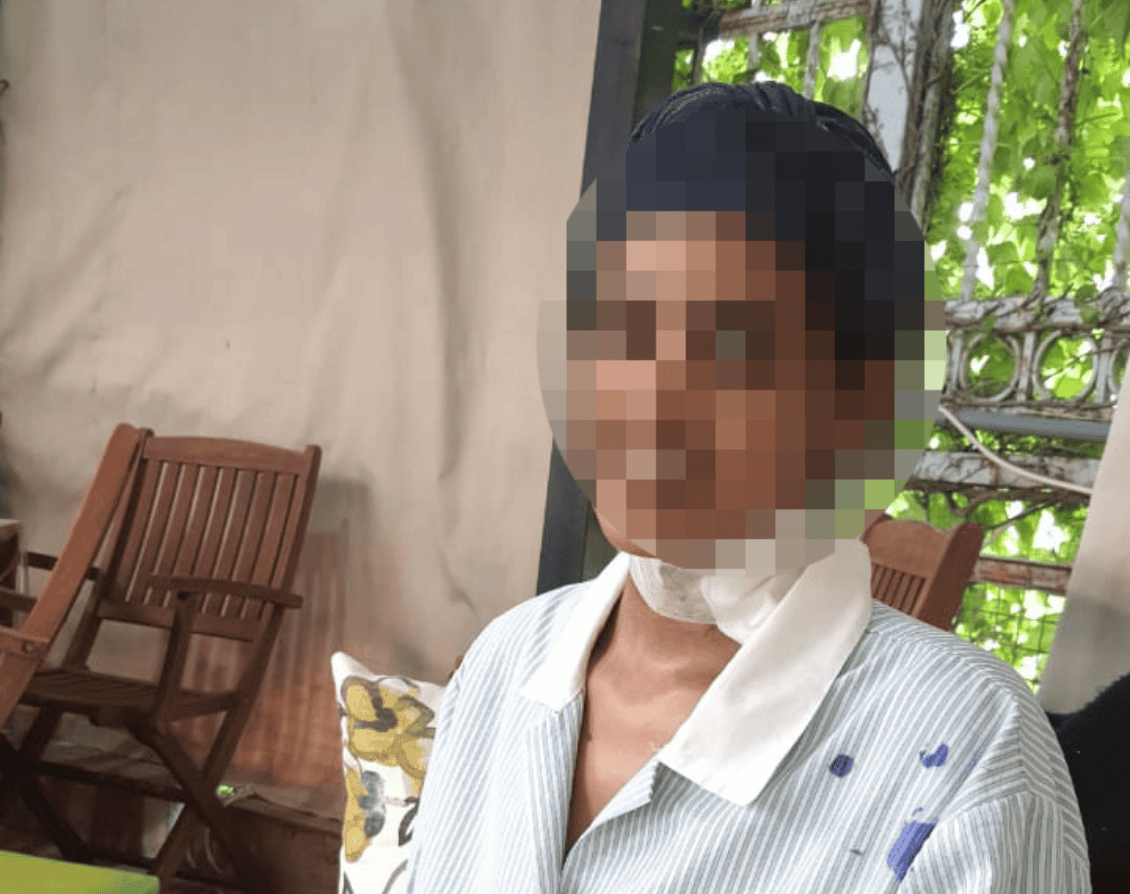
Fekr, an Ethiopian domestic worker in Lebanon, died in January 2021 after 40 months working for her employers, the Sanadikis, who withheld her wages for years and refused to send her home when she fell ill despite her family’s pleas. She was buried in Lebanon and is still owed $3,050 in unpaid salary.
Worker
Fekr
Employers
Nayla & Said Sanadiki
THE VIDEO
See how Fekr suffered until her death.
THE STORY
FAST FACTS:
- Fekr worked for Said and Nayla Sanadiki for 40 months.
- She died while working for them.
- She wasn’t paid for years before her death.
- The cause of death is unclear. What is clear is that they refused to send her home even when she was sick for months.
- She was denied contact with two of her family members who were also working in Lebanon.
- There is still $3,050 in unpaid salary.
- She was buried in Lebanon.
Fekr* born in Ethiopia 1989, died in Lebanon 2021.
Two domestic worker corpses are repatriated each week according to the most recent General Security statistics. Fekr was not included in the 2021 statistics as her body was buried in Lebanon. Her brother has one great regret in life – that he did not try harder to convince his sister to leave Lebanon while she was still alive. He described his sister as a good-hearted optimist who could be easily manipulated. We hope sharing her heartbreaking story will serve as a wake-up to those who still defend the kafala system.
Please note that some dates in the following timeline are approximate as her employers were not cooperative in providing This Is Lebanon with the missing information.
25 February 2017 Fekr travels to Lebanon from Ethiopia. She worked for her first employers for three months then spent 2 months in the office.
August 2017 Fekr begins work for Nayla and Said Sanadiki in Deir Qoubel near Aley. This date is an estimate based on her arrival date and the amount of time spent with her first employer and the office.

Said Sanadiki is the program director at The Carter Center for Human Rights. He previously held the position of Executive Director for the Lebanese Association for Democratic Elections. The Sanadikis have had financial difficulties and unpaid dues since 2016.
2018-2019 Fekr tells her brother that she is overworked at the Sanadiki’s. She has no break and no day off. She works in two houses – her employers’ house and her employer’s mother’s house. Fekr’s brother regularly asks the Sanadikis about his sister’s salary. They make constant excuses, mentioning the economic crisis, the political problems and the Beirut blast. Nayla Sanadiki sends him links to news reports about the problems in Lebanon but assures him that they will pay Fekr when the situation improves and assures him they are treating her “like one of the family.”
29 May 2020 the Sanadikis inform Fekr’s brother that she is unwell. He begs the Sanadikis to send Fekr home, even without her salary. At this stage, Fekr has been working for the Sanadikis for almost three years but has been paid for only five months of work, the equivalent of 750 USD. The Sanadikis refuse to send Fekr home, telling her brother they cannot afford the $300 it would cost for an air ticket to Ethiopia.
4 June 2020 Nayla Sanadiki informs the brother that Fekr has had surgery and sends him pictures.
4 January 2021 Fekr passed away. The forensic report reads, ”The deceased was found inside Al Waha Building on the first floor apartment. The investigation uncovered the body of a woman of 32 years of age, lying across a bed in the house, of average height, slim body, dark complexion and black hair. Forensic examination revealed darkness in the face, leaning to blue and swelling in the legs. The time of death was sometime before noon today. There are no signs of assault/violence on the body. The death is the result of cardiac and respiratory failure because of severe lung infections, an assumed aftereffect of Covid.” The report also states that the Sanadikis told the investigator two tests for Covid were carried out on 29 December 2020 and 2 January 2021 (the day before her death) and both had a negative PCR result.
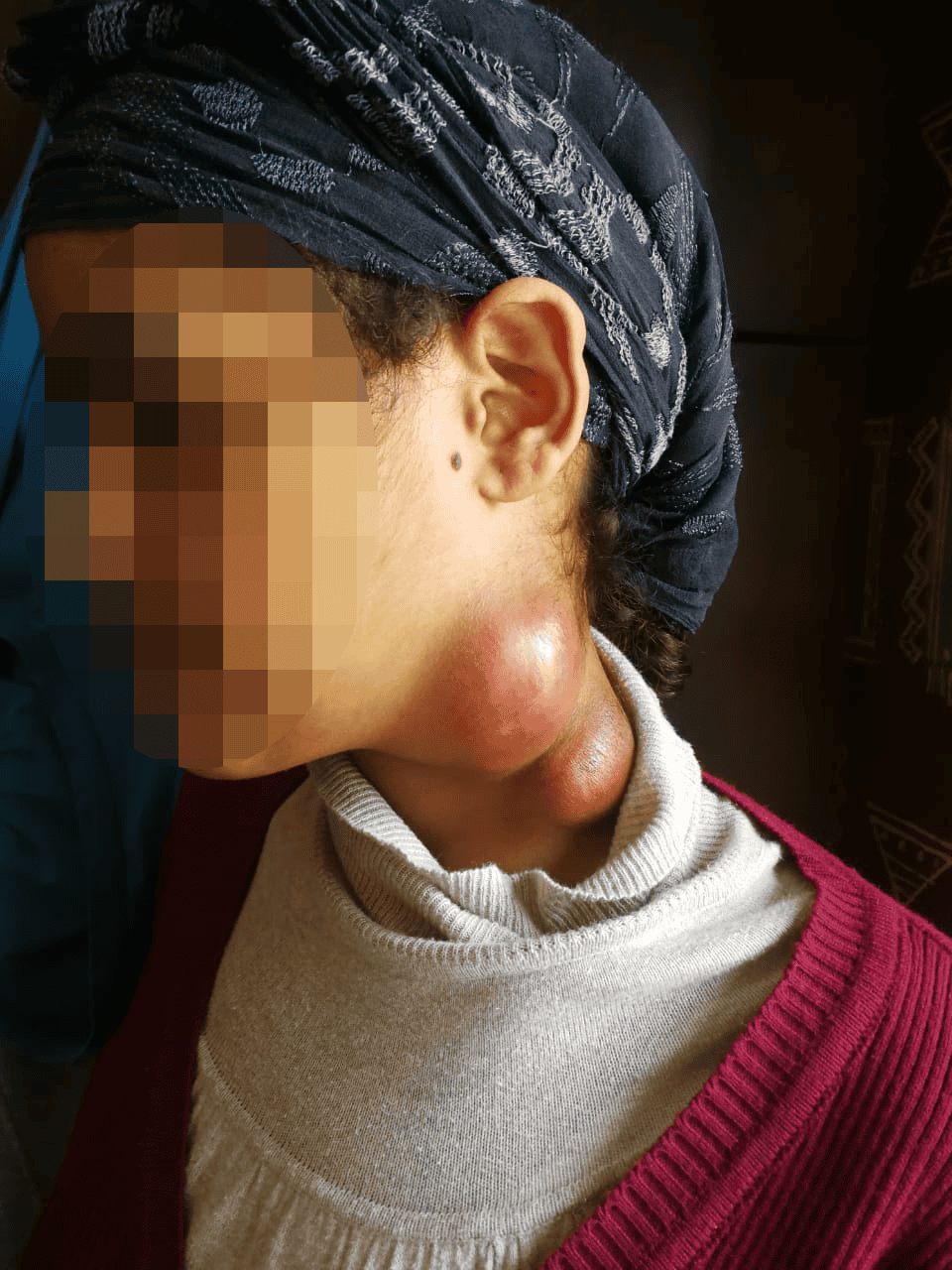
8 January 2021 This Is Lebanon is contacted by an Ethiopian, Saba, who works in the same building where Fekr worked and died. She informed This Is Lebanon that “Fekr suffered from physical abuse and non-payment. I saw her a few times because we lived in the same building. She didn’t talk to me and was scared.” Saba gave This Is Lebanon the phone number of a repatriated Ethiopian worker, Bezawit, who also used to work for the Sanadikis. This Is Lebanon contacted Bezawit who overlapped with Fekr by a couple of months. Bezawit said that Nayla and Said Sanadiki were not physically abusive but an older woman living in the same house (Nayla or Said’s mother?) hit them both. Bezawit reported that Fekr was not the kind of person to stand up for herself, confirming her brother’s description of her.
9 January 2021 This Is Lebanon Ethiopian caseworker contacts Fekr’s aunt who works in Lebanon. She reports that Fekr’s cousin and herself were denied contact with Fekr. Although she was living in Lebanon at the time of Fekr’s death, she only found out her niece had died when her nephew called her.
27 January 2021 Fekr’s brother asks Said Sanadiki about Fekr’s salary and when her body will be repatriated. Said replies, “I am collecting all the dollars we can collect from the market in order to send it to you. We cannot live knowing that we owe you money. All her money will be sent to you so no worries at all. We are doing all our best to send her back to Ethiopia. We are waiting for the embassy to give us the clearance. If they don’t give us the clearance, we might bury Fekr here.”
Late January 2021 The Ethiopian consulate and the Sanadikis meet to negotiate payment of the unpaid salary. The Sanadikis promise to send some money in the very near future and the balance from “time to time.”
15 February 2021 The Sanadikis send $1500 to Fekr’s family.They owe her 27 months and send the equivalent of 10 months.17 months remain unpaid.
19 March 2021 The Sanadikis send a further $500.
20 March 2021 An Ethiopian consulate employee calls Fekr’s brother, informing him that the Ministry of Health has denied permission for Fekr’s body to be repatriated.
Said Sanadiki texts the brother: “Fekr was with us for 30 months, the total amount of her salary is 4500 USD, we proved that we paid her 2500 USD and I sent previously 1500 and now 500 and will send at the end of the month additional 500 so we will be covering the remaining of her salary and more, in addition once you finalize the papers and she is buried, whether in Lebanon or Ethiopia, you will receive additional money from the insurance company after deducting the expenses related to her deportation or burial.”
22 March 2021 The Sanadikis send a further $500.
26 March 2021 Fekr’s body is buried in Lebanon. Her family is heartbroken that they will not get to bury her in her homeland.
This Is Lebanon sent the following letter to the Sanadikis:
“Dear Said and Nayla Sanadiki
We have been contacted by the family of Fekr, the deceased domestic worker employed by you. We have some questions we would like to ask you.
We believe she started working for you in August 2017. As she died on 4 January, 2021, she worked for you for 40 months. Her salary was $150 per month which means she should have been paid $6,000.
We have receipts as follows:
$150 sent by OMT in 2018
$400 sent by OMT in 2019
$200 sent by OMT on 9 March 2020
$200 sent by OMT on 5 Sept 2020
$1500 sent by OMT on 15 Feb 2021
$500 sent by OMT on 19 Mar 2021
$500 sent by OMT on 22 March 2021
Total = $3450
According to the receipts we have, there is $3050 in unpaid salary. If you have other receipts, please provide them. Please also explain why she had only been paid $950 at the time of her death.
Please explain why you did not send Fekr back to Ethiopia when she became sick. According to her brother, the family asked for her to be repatriated even if without her salary. They simply wanted her home, but you refused.
Please advise what you did with her personal belongings. Her brother wrote, “In the end we saw nothing of her, not even her belongings…she could have written a note and left it in her purse…there could have been things that we wanted to see or connect with. This really saddens me.”
Why didn’t you send her home at the end of her 2 year contract?
Please provide pics of her residency and work permits.
We look forward to receiving your answers.”
Nayla replied as follows:
“The whole file regarding payments, work permit, residency is at the Ethiopian embassy, what we did regarding her death was under the direct supervision of the Ethiopian embassy and following their instructions. Thank you for contacting us and please I urge you to contact the Ethiopian embassy in Lebanon the soonest possible.”
When we advised Nayla that the burden of proof of payment rested on them and that we needed to see the receipts she replied, “If this continues I will consider this blackmailing and will see you in court.”
This Is Lebanon does not blackmail anybody. We refuse to even act as a channel for money owed to domestic workers. What we demand is justice for Fekr. Why did they enslave her? When she became very ill, why didn’t they send her home as her family requested?
When sent the text of this article and given a final opportunity to comment, Said and Nayla Sanadiki responded as follows, “Once again, the tragic death of Fekr was investigated by the internal security forces as stipulated by the Lebanese law, and under the direct supervision of the Ethiopian embassy. All aspects were covered from the Ministry of Health refusal for deportation to the salary payment, and all steps for her burial in Beirut. We respectfully refuse the claim of mistreatment laid down in your dissertation and we have proven and still cooperate with any investigation necessary as long as it comes from a reputable and legal entity. We found it weird that you are concluding your statement without any engagement with the Lebanese authority and/or the Ethiopian consulate who were involved in the whole process, and we acted upon their direction and guidelines. Once again, we refuse the allegations that you are referring to, as it is a hearsay and not based on any facts.”
When asked to comment on the case the Ethiopian consulate replied as follows:
1. The deceased, Fekr, was sick. On 29 December, 2020 and on 2 January, 2021, she was tested for Covid-19. The results were negative. On 4 January, 2021, they announced her death. According to the tests, she didn’t have Covid-19. However, the Minister of Health claimed that according to the CT scan and X-ray, the cause of death was Covid-19. That’s why the body wasn’t allowed to be taken to Ethiopia; the body was buried in Lebanon. That raised our suspicions to the real reason behind Fekr’s death and is why we asked the police for another test on the body. This was done on 11 March, 2021, and the results were that Covid-19 was the cause of death. Thus, the body was not allowed to be sent to Ethiopia. Her family were notified by the Ministry of Foreign Affairs that Fekr would be buried in Lebanon and on 23 March 2021, the family agreed. A priest, consulate staff including a diplomat, and friends and members of the community attended the funeral. Videos and pictures were sent to her family.
2. About Fekr’s salary. We asked her brother about her salary and how much money she sent them. We also asked him about the receipts. We then reached out to the sponsors to come to the consulate and asked them how much they owed her. According to her brother’s receipts and her sponsor’s words, Fekr was owed $2,500. The sponsor even signed on a paper promising that they would pay the money. It was confirmed by her brother that his sister wasn’t paid all her salary. The sponsor promised that he would pay on 15 February 2021, an amount of $1,500 on 19 March, 2021 an amount of $500, and on 22 March 2021 an amount of $500. The money was indeed sent and Fekr’s brother confirmed that.
Many questions remain unanswered. Why wasn’t Fekr paid for years before her death? Why didn’t they send her home when she was sick and her family implored them to let her return, even without her salary? She was sick more than seven months before her unexplained death. Why, even now, have they not paid her family the balance of salary owing? Why didn’t the consulate ensure the balance of her salary was paid?
*Victim’s name has been changed at the family’s request.
This Is Lebanon was established in 2017 with the aim of working towards abolishing the kafala system in Lebanon. Our goal has been to raise awareness about the dangers of the kafala system by exposing the horrific conditions under which migrant domestic workers live and the perpetrators of abuse as well as advocating with and on behalf of migrant domestic workers. Ultimately, This Is Lebanon gives a voice to workers and encourages witnesses of abuse to come forward.
Kafala (the Arabic word for sponsorship) refers to the set of regulations and administrative practices used to sponsor and employ migrant workers in Lebanon, mostly women from African and Asian countries working for private households. Domestic workers are excluded from Lebanese labor law and lack basic protections. The kafala system protects abusers and denies domestic workers of basic human rights. The high degree of control over workers’ rights provided by the kafala system has led to cases of modern slavery, human trafficking, and exploitation.
Meet The People
We are treating her like one of the family and will pay her when the situation improves – The Sanadikis

Said Sanadiki

Nayla Sanadiki
Fekr*
TAKE ACTION
We can’t do this alone. We need your help! Join us in this fight.
Share the Story
Tell others about this. Join us in the fight to ensure that Nayla & Said are brought to justice.
Join Our Work
We need your help to continue our efforts in fighting for Fekr and others like her.
Get the Updates
Get the updates straight into your inbox so you don’t miss any part of the story.
COMMENTS
القصة
حقائق سريعة:
- عملت “فكر” لدى سعيد ونايلة صناديقي مدة 40 شهراً.
- توفيت أثناء فترة عملها لديهم.
- لم تقبض أجورها لسنوات قبل وفاتها.
- سبب الوفاة غير واضح. ما هو واضح هو أنهم رفضوا إعادتها إلى وطنها حتى عندما عانت من المرض لعدة أشهر.
- حُرمت من الاتصال باثنتين من أفراد عائلتها واللتين كانتا تعملان أيضاً في لبنان.
- ما زال هناك 3050 دولار رواتب غير مدفوعة.
- تم دفنها في لبنان.
“فكر”* وُلدت في إثيوبيا عام 1989، وتوفيت في لبنان عام 2021.
كل أسبوع، يتم ترحيل جثتين لعاملات المنازل وذلك وفقاً لإحصائيات الأمن العام. لم تُدرج “فكر” في إحصائيات عام 2021 لأنه تم دفن جثتها في لبنان. والندم الوحيد الأكبر لشقيقها في الحياة – أنه لم يحاول جاهداً إقناع أخته بمغادرة لبنان بينما كانت لا تزال على قيد الحياة. ووصف أخته بأنها متفائلة، طيبة القلب ويمكن استغلالها بسهولة. نأمل أن تكون مشاركة قصتها المفجعة بمثابة إيقاظ لأولئك الذين ما زالوا يدافعون عن نظام “كفالة”.
يرجى ملاحظة أن بعض التواريخ في الجدول الزمني التالي تقريبية لأن أصحاب العمل لم يكونوا متعاونين في تزويد جمعية “هذا لبنان” بالمعلومات الناقصة
25 شباط 2017: سافرت “فكر” من إثيوبيا إلى لبنان. وعملت أولاً لدى أصحاب عمل مدة ثلاثة أشهر ثم أمضت شهرين في المكتب.
آب 2017: بدأت “فكر” العمل لدى نايلة وسعيد صناديقي، في دير قوبل بالقرب من عاليه. هذا التاريخ تقديري يعتمد على تاريخ وصولها والزمن الذي أمضته مع صاحب العمل الأول وفي المكتب.
2018-2019: أخبرت “فكر” شقيقها أنها مرهقة في مطعم عائلة صناديقي. إذ ليس لديها استراحة ولا يوم عطلة. تعمل في منزلين – منزل صاحب العمل ومنزل والدته. كان شقيق “فكر” يسأل باستمرار عائلة صناديقي عن راتب شقيقته. كانوا يختلقون أعذاراً على الدوام، ويذكرون الأزمة الاقتصادية والمشاكل السياسية وانفجار بيروت. وأرسلت له نايلة صناديقي روابط لتقارير إخبارية عن المشاكل في لبنان، لكنها أكدت له أنهم سيدفعون لفكر عندما يتحسن الوضع، وأنهم يعاملونها “كأحد أفراد العائلة”.
سعيد سنديكي هو مدير البرنامج في مركز كارتر لحقوق الإنسان. شغل سابقًا منصب المدير التنفيذي للجمعية اللبنانية للانتخابات الديمقراطية. وقد واجهت عائلة سنديكي صعوبات مالية ومستحقات غير مدفوعة منذ عام 2016.
29 أيار 2020: أبلغت عائلة صناديقي شقيق “فكر” أنها ليست بصحة جيدة. فتوسل إليهم أن يرسلوا “فكر” إلى بلدها، حتى بدون راتبها. حتى هذه المرحلة، كانت قد عملت “فكر” لدى عائلة صناديقي ما يقارب الثلاث سنوات، لكنها تقاضت أجراً مقابل خمسة أشهر فقط من العمل، أي ما يعادل 750 دولارأمريكي. ورفضت عائلة صناديقي إعادة “فكر” إلى وطنها، قائلين لشقيقها إنه ليس بإمكانهم تحمل تكلفة تذكرة الطيران إلى إثيوبيا والتي يبلغ مقدارها 300 دولار.
4 حزيران 2020: أبلغت نايلة صناديقي الأخ أن “فكر” قد خضعت لعملية جراحية وأرسلت له صوراً.
4 كانون الثاني 2021: توفيت “فكر”. يقول تقرير الطب الشرعي: “تم العثور على المتوفية داخل مبنى الواحة في شقة الطابق الأول. وكشف التحقيق عن جثة امرأة تبلغ من العمر 32 عاماً، مستلقية على سرير في المنزل، متوسطة الطول، وجسم نحيل، وبشرة داكنة وشعر أسود. وقد كشف فحص الطب الشرعي عن لون قاتم في الوجه، يميل إلى اللون الأزرق وتورم في الساقين. ساعة الوفاة كانت في وقت ما قبل ظهر اليوم. لا توجد علامات اعتداء / عنف على الجثة. الوفاة نتيجة فشل القلب والجهاز التنفسي بسبب التهابات رئوية حادة، وهو تأثير لاحق مفترض ل “كوفيد”. و يذكر التقرير أيضا أن عائلة صناديقي أخبرت المحقق أنه تم إجراء اختبارين ل “كوفيد” في 29 كانون الأول 2020 و 2 كانون الثاني 2021 (قبل يوم من وفاتها) وكانت نتيجة PCR سلبية في كليهما.
كانون الثاني 2021: تلقى “هذا لبنان” اتصالاً من امرأة إثيوبية تدعى “سابا”، تعمل في المبنى نفسه الذي عملت فيه “فكر” وتوفيت. أخبرت “هذا لبنان” أن “فكرعانت من الاعتداء الجسدي وعدم الدفع. رأيتها عدة مرات لأننا كنا نعيش في المبنى نفسه. لم تتحدث معي وكانت خائفة”. أعطت سابا “هذا لبنان” رقم هاتف “بيزويت” وهي عاملة إثيوبية قد تم ترحيلها والتي كانت تعمل أيضاً لدى عائلة صناديقي. اتصل “هذا لبنان” بالعاملة بزاويت والتي تزامن وجودها مع “فكر” لمدة شهرين. قالت بزاويت إن نايلة وسعيد صناديقي لم يكونا مسيئين جسدياً، لكن امرأة مسنة تعيش في المنزل نفسه (والدة نايلة أو والدة سعيد؟) كانت تقوم بضربهما. وذكرت بزاويت أن “فكر” لم تكن من النوع الذي يدافع عن نفسها، مؤكدة بذلك وصف شقيقها لها.
9 كانون الثاني 2021: اتصلت متابعة قضية الأثيوبية في “هذا لبنان” بعمّة “فكر” التي تعمل في لبنان، وأفادت أنها وابنتها قد تم منع اتصالهما بفكر. وعلى الرغم من أنها كانت تعيش في لبنان وقت وفاة “فكر”، إلا أنها اكتشفت فقط أن ابنة أخيها ماتت عندما اتصل بها ابن أخيها.
27 كانون الثاني 2021: سأل شقيق فكر سعيد صناديقي عن راتب فكر ومتى سيتم إعادة جثمانها إلى وطنها. أجاب سعيد: “إني أجمع كل الدولارات التي يمكننا جمعها من السوق من أجل إرسالها إليكم. لا يمكننا العيش مع العلم أننا مدينون لكم بالمال. سيتم إرسال كل مستحقاتها إليكم، لذلك لا تقلق على الإطلاق. ونحن نبذل قصارى جهدنا لإعادتها إلى إثيوبيا. إننا ننتظر من السفارة أن تعطينا الموافقة. وإذا لم يعطونا التصريح، فقد نقوم بدفن “فكر” هنا”.
أواخر يناير 2021 القنصلية الإثيوبية وعائلة سانديكيس يجتمعون للتفاوض على دفع الراتب غير المدفوع. يعد الصناديقيون بإرسال بعض الأموال في المستقبل القريب جدا والرصيد من “وقت لآخر”.
15 فبراير 2021 عائلة السنديق ترسل 1500 دولار إلى عائلة فكر. إنهم مدينون لها ب 27 شهرا ويرسلون ما يعادل 10 أشهر.17 شهرا لا تزال غير مدفوعة.
19 مارس 2021 ترسل عائلة الصناديق 500 دولار أخرى.
20 مارس 2021 اتصل موظف في القنصلية الإثيوبية بشقيق فكر، وأبلغه أن وزارة الصحة رفضت الإذن بإعادة جثمان فكر.
وكتب السندكي للأخ قائلا: “كانت فكر معنا لمدة 30 شهرا، المبلغ الإجمالي لراتبها 4500 دولار أمريكي، أثبتنا أننا دفعنا لها 2500 دولار أمريكي وأرسلت سابقا 1500 والآن 500 وسنرسل في نهاية الشهر 500 إضافية لذلك سنقوم بتغطية ما تبقى من راتبها وأكثر، بالإضافة إلى ذلك ، بمجرد الانتهاء من الأوراق ودفنها ، سواء في لبنان أو إثيوبيا ، ستحصل على أموال إضافية من شركة التأمين بعد خصم النفقات المتعلقة بترحيلها أو دفنها “.
22 مارس 2021 يرسل السنديقيون 500 دولار أخرى.
26 مارس 2021 دفن جثمان فكر في لبنان. عائلتها حزينة لأنهم لن يتمكنوا من دفنها في وطنها.
أرسل هذا لبنان الرسالة التالية إلى السنديقيين:
“عزيزي سعيد ونايلة صناديقي
لقد اتصلت بنا عائلة فكر، العاملة المنزلية المتوفاة التي تستخدمونها. لدينا بعض الأسئلة التي نود طرحها عليك.
نعتقد أنها بدأت العمل معك في أغسطس 2017. نظرا لوفاتها في 4 يناير 2021 ، فقد عملت معك لمدة 40 شهرا. كان راتبها 150 دولارا شهريا مما يعني أنه كان يجب أن تحصل على 6,000 دولار.
لدينا إيصالات على النحو التالي:
$150 أرسلتها OMT في عام 2018
400 دولار أرسلتها OMT في عام 2019
200 دولار مرسلة من OMT في 9 مارس 2020
200 دولار مرسلة من OMT في 5 سبتمبر 2020
1500 دولار أرسلت بواسطة OMT في 15 فبراير 2021
500 دولار أرسلت بواسطة OMT في 19 مارس 2021
500 دولار أمريكي أرسلتها OMT في 22 مارس 2021
الإجمالي = 3450 USD
وفقا للإيصالات التي لدينا ، هناك 3050 دولارا في الراتب غير المدفوع. إذا كان لديك إيصالات أخرى ، يرجى تقديمها. ويرجى أيضا توضيح سبب حصولها على 950 دولارا فقط وقت وفاتها.
يرجى توضيح سبب عدم إعادة فكر إلى إثيوبيا عندما مرضت. وفقا لشقيقها، طلبت الأسرة إعادتها إلى وطنها حتى لو كان ذلك بدون راتبها. لقد أرادوا ببساطة منزلها ، لكنك رفضت.
يرجى تقديم المشورة بما فعلته بممتلكاتها الشخصية. كتب شقيقها: “في النهاية لم نر شيئا منها، ولا حتى ممتلكاتها… كان بإمكانها كتابة ملاحظة وتركها في حقيبتها … كان من الممكن أن تكون هناك أشياء أردنا رؤيتها أو التواصل معها. هذا يحزنني حقا”.
لماذا لم ترسلها إلى المنزل في نهاية عقدها لمدة عام 2؟
يرجى تقديم صور لتصاريح إقامتها وعملها.
ونحن نتطلع إلى تلقي إجاباتكم”.
أجابت نايلة على النحو التالي:
“الملف بأكمله فيما يتعلق بالمدفوعات وتصريح العمل والإقامة موجود في السفارة الإثيوبية ، وما فعلناه بشأن وفاتها كان تحت الإشراف المباشر للسفارة الإثيوبية واتباع تعليماتهم. شكرا لكم على الاتصال بنا وأرجوكم أن تحثكم على الاتصال بالسفارة الإثيوبية في لبنان في أقرب وقت ممكن”.
عندما أبلغنا نايلة بأن عبء إثبات الدفع يقع عليهم وأننا بحاجة إلى رؤية الإيصالات أجابت: “إذا استمر هذا فسوف أعتبر هذا ابتزازا وسأراك في المحكمة”.
هذا لبنان لا يبتز أحدا. نحن نرفض حتى أن نكون قناة للأموال المستحقة لعاملات المنازل. ما نطالب به هو العدالة لفكر. لماذا استعبدوها؟ عندما مرضت بشدة، لماذا لم يرسلوها إلى المنزل كما طلبت عائلتها؟
كان المتوفى فكر مريضا. في 29 ديسمبر 2020 وفي 2 يناير 2021 ، تم اختبارها ل Covid-19. وكانت النتائج سلبية. في 4 يناير 2021 ، أعلنوا وفاتها. وفقا للاختبارات ، لم تكن مصابة ب Covid-19. ومع ذلك، ادعى وزير الصحة أنه وفقا للأشعة المقطعية والأشعة السينية، كان سبب الوفاة Covid-19.
لهذا السبب لم يسمح بنقل الجثة إلى إثيوبيا. تم دفن الجثة في لبنان. أثار ذلك شكوكنا حول السبب الحقيقي وراء وفاة فكر، ولهذا السبب طلبنا من الشرطة إجراء فحص آخر على الجثة. تم ذلك في 11 مارس 2021 ، وكانت النتائج أن Covid-19 كان سبب الوفاة. وبالتالي، لم يسمح بإرسال الجثة إلى إثيوبيا. أخطرت وزارة الخارجية عائلتها بأن فكر سيدفن في لبنان، وفي 23 مارس/آذار 2021، وافقت العائلة. وحضر الجنازة كاهن وموظفو القنصلية بمن فيهم دبلوماسي وأصدقاء وأفراد من الجالية. تم إرسال مقاطع الفيديو والصور إلى عائلتها.
. حول راتب فكر. سألنا شقيقها عن راتبها وكم من المال أرسلته لهم. كما سألناه عن الإيصالات. ثم تواصلنا مع الكفلاء للحضور إلى القنصلية وسألناهم عن المبلغ الذي يدينون به لها. وفقا لإيصالات شقيقها وكلمات كفيلها، كانت فكر مدينة بمبلغ 2,500 دولار. حتى أن الكفيل وقع على ورقة وعد فيها بأنهم سيدفعون المال. وأكد شقيقها أن أخته لم تحصل على كل راتبها. وعد الكفيل بأنه سيدفع في 15 فبراير 2021 ، مبلغا قدره 1500 دولار في 19 مارس 2021 مبلغا قدره 500 دولار ، وفي 22 مارس 2021 مبلغ 500 دولار. تم إرسال الأموال بالفعل وأكد شقيق فكر ذلك.
لا تزال العديد من الأسئلة دون إجابة. لماذا لم تدفع لفكر سنوات قبل وفاتها؟ لماذا لم يرسلوها إلى المنزل عندما كانت مريضة وناشدتهم عائلتها السماح لها بالعودة، حتى بدون راتبها؟ كانت مريضة قبل أكثر من سبعة أشهر من وفاتها غير المبررة. لماذا ، حتى الآن ، لم يدفعوا لأسرتها رصيد الراتب المستحق؟ لماذا لم تضمن القنصلية دفع رصيد راتبها؟
THE STORY
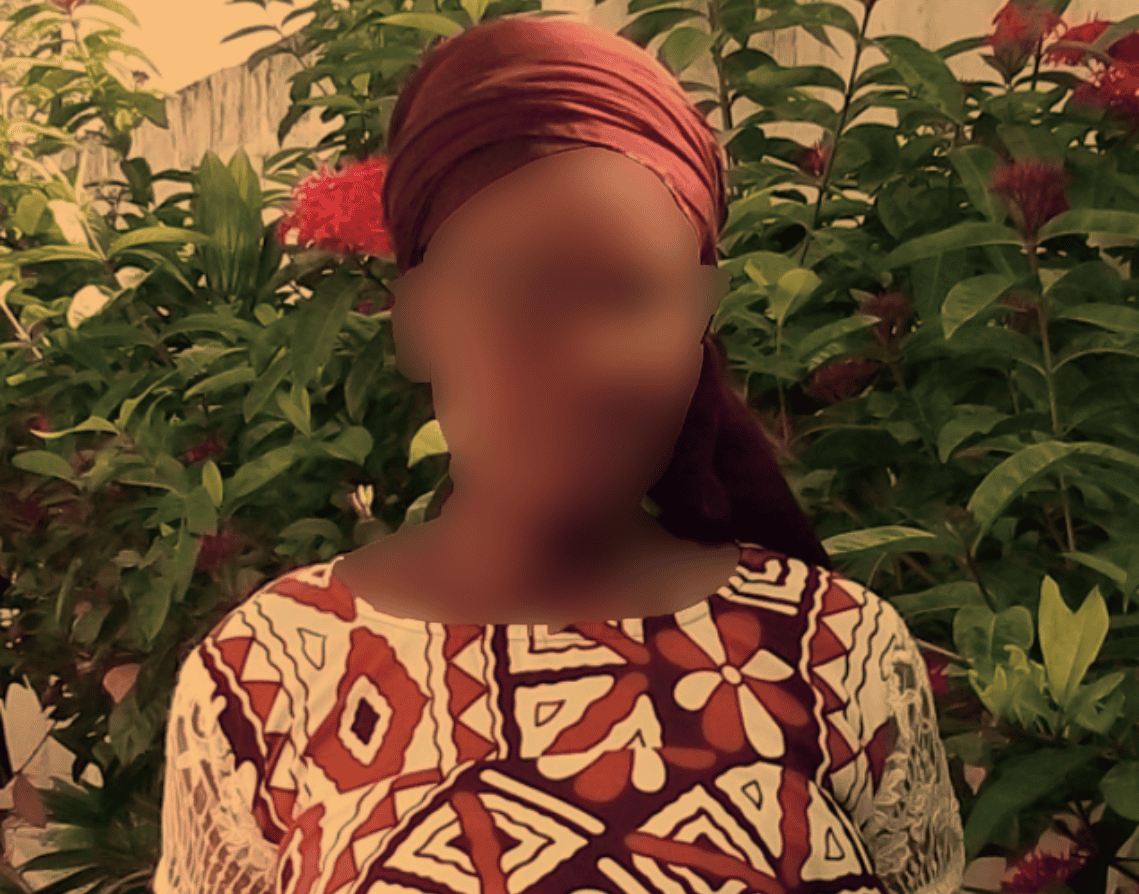
Linda is a 35-year-old hardworking, married Ghanian woman. She had already worked successfully in Saudi Arabia as a nurse. After her return from Saudi Arabia, she decided to travel to Turkey to work for a company, but her agent had other plans. Linda said,
“My agent in Ghana told me he had a job in Lebanon for me. That I’m going to take care of a patient, and I will give him medicine and food, as a nurse. He said the salary was $ 400 per month.”
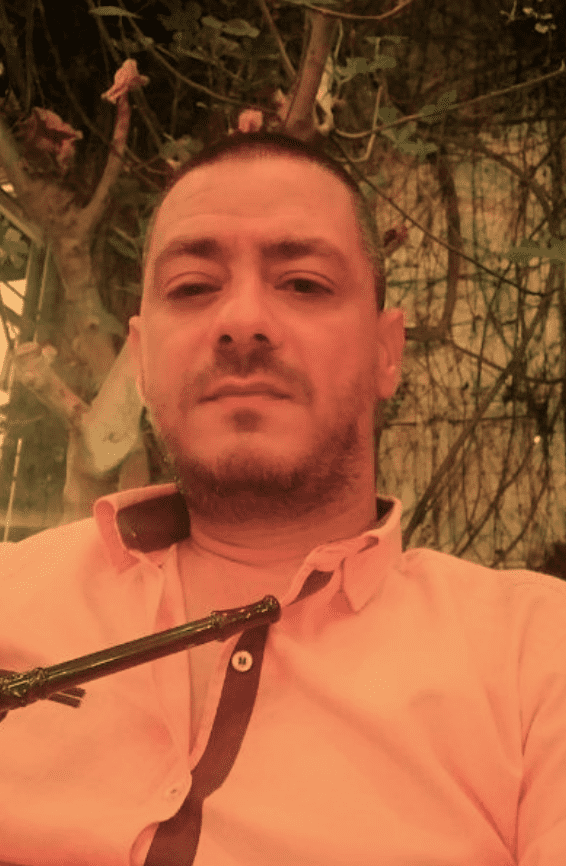
She arrived in Lebanon on 31 August 2019, and worked for Walid Shami’s family, caring for his disabled father and elderly mother. She bathed and toileted the father. She often had to witness Walid yelling at his father and hitting him. On one occasion she bravely captured the abuse on video, but we are not sharing it in respect for the father.
After her arrival in Lebanon, she found that her salary was $200, half of what was promised. Her first 2 months’ salary was stolen by the agents, Mohammad and Nazik Hassanieh. We contacted them asking them to return her salary and pointed out that the Ministry of Labour had outlawed agents taking workers’ salaries over a decade ago. They did not respond.
When Linda asked for her salary, Walid took her to the agency and falsely accused her of stealing a gold chain. A bag search was conducted and no chain was found. She was returned to the employer. When she asked him to send her home, he said her passport was with the police and she would have to wait.
When Linda insisted on payment, she was once again taken to the agents – the same ones who had stolen her salary. They did a very good job explaining her grim prospects in another employer’s home given the economic situation, so she agreed to continue under one principal condition: Walid would pay her her full salary once he was financially able to do so. She truly believed that Walid could pay her since he is a policeman and unlike many other Lebanese, still had a job.
Linda first contacted This Is Lebanon in November 2020, informing us that she was underpaid. When she realized she was not going to get paid as agreed, she decided to return to her home-country and family as soon as possible. We agreed that the priority was to get Walid to agree to repatriate Linda.
A long negotiation with Walid ensued – 10 calls between November and February! Walid was unwilling to let Linda go, insisting she had to stay and work to earn her right to leave. During one of the phone calls, Walid asks Linda if she would accept being paid $150.
Linda can be heard firmly replying No. Walid then gets angry and instructs her to go away and tells the negotiator, “Ok, then I am a liar! Either I will kill her now or I will send her there [to her family] all chopped up because she is a liar.” You can listen to the audio.
Finally, on 18 January 2021, Walid agreed to pay $400 in total: $200 before she left Lebanon and $200 once she was back home. Whilst this was far from being fair, Linda agreed, as by then she just wanted to get out.
Even this meagre payment did not materialize. The morning of her departure on 11 February 2021, Linda called us, alarmed. Walid had again accused her of stealing a gold necklace worth $600. Her belongings were searched but nothing was found. When Walid took her to the airport, he informed the police that Linda was a thief and that she had stolen his gold chain. They searched her and found nothing.
After faithfully serving Walid’s parents for 17 months and 10 days, Linda went home humiliated, heart-broken, and penniless. She didn’t even have money to buy a sandwich in Doha airport where she had to wait eleven hours in transit.
When asked what she would say to other women considering coming to Lebanon, she wrote,
“I advise everyone not to enter Lebanon because the country has no money and it is a jungle. We traveled there to find work to feed our family, and they turned by calling us criminals while our money is with them.”
Walid Shami owes Linda $1,065 in unpaid salary. Click here for calculations.
The People
“We traveled there to find work to feed our family, and they turned by calling us criminals while our money is with them.” – Linda
Walid Shami
Linda
TAKE ACTION
We can’t do this alone. We need your help! Join us in this fight.
Contact the Sponsors
Talk to Walid Shami and ask him to pay Linda her rightfully owed salary.
Share the Story
Tell others about this. Join us in the fight to ensure that Walid Shami is brought to justice.
Join Our Work
We need your help to continue our efforts in fighting for Linda and others like her.
Get the Updates
Get the updates straight into your inbox so you don’t miss any part of the story.
القصة
ليندا ديفيس، امرأة كادحة من غانا، متزوجة وتبلغ من العمر 35 عاماً. لقد نجحت في عملها كممرضة في المملكة العربية السعودية. وبعد عودتها من السعودية، قررت السفر إلى تركيا للعمل في شركة، لكن كان لدى وكيلها مخططات أخرى. قالت ليندا:
“أخبرني وكيلي في غانا أنه حصل لي على وظيفة في لبنان، وهي أن أعتني بمريض؛ سأعطيه الدواء والطعام كممرضة. وقال بأن الراتب 400 دولار في الشهر.”
وصلتْ إلى لبنان في 31 آب 2019، وعملت لدى عائلة وليد الشامي في رعاية والده المعاق وأمه المسنّة. كان على عاتقها أيضاً استحمام الأب ودخوله إلى المرحاض. وغالباً ما شاهدت وليد وهو يصرخ على والده ويضربه. في إحدى المرات، قامت بشجاعة بتصوير الإساءة على الفيديو، لكننا لن نشاركه احترامًا للأب.
بعد وصولها إلى لبنان، اكتشفت أن راتبها كان 200 دولاراً، أي نصف ما وعدوا به. لقد سرق الوكلاء محمد ونازك حسنية راتب أول شهرين لها. اتصلنا بهم طالبين منهم إعادة راتبها وأشرنا إلى أن وزارة العمل منذ أكثر من 10 سنوات قد جرّمت الوكلاء الذين يتقاضون رواتب العاملات. فلم يستجيبوا.
وعندما طلبت راتبها، اصطحبها وليد إلى المكتب واتهمها زوراً بسرقة سلسلة من الذهب. تم تفتيش الحقيبة ولم يتم العثور على أية سلسلة. فأعيدت إلى صاحب العمل. عندما طلبت منه أرسالها إلى بلدها، قال بأن جواز سفرها لدى الشرطة وعليها الانتظار.
حين أصرّت ليندا على أن يدفع لها، تم نقلها مرة أخرى إلى الوكلاء – هم أنفسهم الذين سرقوا راتبها. لقد قاموا بعمل جيد للغاية وأوضحوا لها الاحتمالات البائسة المتوقعة في منزل صاحب عمل آخر نظراً للوضع الاقتصادي، لذلك وافقت على الاستمرار في ظل شرط أساسي واحد: سيدفع وليد راتبها كاملاً بمجرد أن تسمح له إمكانياته المادية بذلك. لقد صدقت حقاً أن وليد سيدفع لها لأنه رجل شرطة ولا يزال يحتفظ بوظيفته على عكس العديد من اللبنانيين الآخرين.
تواصلت ليندا مع جمعية “هذا لبنان” لأول مرة في تشرين الثاني 2020 و أبلغتنا بأنها تتقاضى أجراً منخفضاً. وحين أدركت أنها لن تحصل على أجرها كما هو متفق عليه، قررت العودة إلى وطنها وعائلتها في أقرب وقت ممكن. اتفقنا على أن الأولوية هي أن نجعل وليد يوافق على ترحيل ليندا.
وبعد ذلك، دارت مفاوضات طويلة مع وليد – 10 مكالمات بين تشرين الثاني وشباط! لم يكن وليد راغباً في ترك ليندا ترحل، بل أصر على بقائها لتعمل و تكسب حق المغادرة.
خلال إحدى المكالمات الهاتفية، سأل وليد ليندا إن كانت تقبل أن تتقاضى 150 دولاراً. فكان بالإمكان سماع ليندا وهي تجيب بحزم: لا. فغضب وليد وطلب منها أن تغرب عن وجهه وقال للمفاوضة، “حسناً، فأنا كاذب إذن! إما أن أقتلها الآن أو سأرسلها إلى هناك [لعائلتها] أشلاء لأنها كاذبة.” يمكنكم الاستماع إلى التسجيل الصوتي.
أخيراً، في 18 كانون الثاني 2021، وافق وليد على دفع 400 دولار كمبلغ إجمالي: 200 دولاراً قبل مغادرتها لبنان و 200 دولار بمجرد عودتها إلى الوطن. في حين أن هذا كان لا يمتّ للعدل بصلة، وافقت ليندا على ذلك إذ إنها كانت حينئذ تريد المغادرة وحسب.
حتى هذا المبلغ الضئيل لم يتم دفعه. في صباح يوم رحيل ليندا في 11 شباط 2021، اتصلت ليندا مذعورة. لقد اتهمها وليد مرة أخرى بسرقة قلادة من الذهب بقيمة 600 دولار. تم تفتيش مقتنياتها ولكن لم يتم العثور على شيء.
عندما اصطحبها وليد إلى المطار، أخبر الشرطة أن ليندا لصّة وأنها سرقت سلسلته الذهبية. فتشوها ولم يعثروا على شيء. بعد أن خدمت والدي وليد بأمانة مدة 17 شهراً و 10 أيام، عادت ليندا إلى بلدها ذليلة، معوزة ومكسورة القلب. حتى أنه لم يكن لديها المال لشراء شطيرة في مطار الدوحة حيث كان عليها الانتظار إحدى عشرة ساعة أثناء عبورها.
عندما سُئلت عما ستقوله للنساء الأخريات اللواتي يفكرن في القدوم إلى لبنان، كتبت:
“أنصح جميعهن بعدم دخول لبنان لأنه ليس هناك مال في البلد وهو عبارة عن غابة. لقد سافرنا إلى هناك للعثور على عمل لإطعام عائلاتنا، فانقلبوا علينا بتسميتنا مجرمين بينما أموالنا بحوزتهم.”
وليد الشامي مدين للعاملة ليندا براتب غير مدفوع مقداره 1065 دولار. إضغط هنا لرابط الحساب.
THE VIDEO
THE STORY
In September 2020 Jean donated $2000 to a fundraiser for victims of the Beirut blast. At that very same time he was enslaving his domestic worker, telling her to be patient because he had no dollars.
Gifty Appiah is a 35-year-old single mum from Ghana who came to Lebanon to support her two young children. This was not Gifty’s first job abroad. She had worked in Saudi Arabia where she was fully paid, and even given a bonus on departure. Her experience in Lebanon was very different.
She arrived in Lebanon on 19 November 2019, and started work for Jean Geagea, owner of Al-Chwar Restaurant in Dbayeh, and his wife Micheline, a school teacher.
She was employed to be a domestic worker in the Geageas’ house but Jean also had her cleaning and doing food preparation in the restaurant and cleaning his parents’ house. This is a breach of the contract issued by the Lebanese Ministry of Labour. Gifty did everything asked of her in the hope of being paid extra

There were always delays in receiving her salary and the Geageas fell way behind on their payments. Gifty contacted This Is Lebanon in December 2020. By that stage, she had worked for 13 months but only been paid for four of them. She sent whispered voice messages saying,
“I am afraid. How will you protect me? Please help me to take my money and go back to Ghana because if I stay here still they will not pay.”
Such was Gifty’s level of fear that it was not until six months later, in June 2021, that she gave consent for This Is Lebanon to call Jean Geagea. He told the negotiator that Gifty didn’t want to go, which we knew to be untrue – she was desperate to leave. He also denied that she was doing cleaning at the restaurant, but Gifty had already sent us videos of her mopping the kitchen floor and cleaning the toilets. Then, he tried to delay the process of sending her home by making her false promises, while knowing all too well that he no longer was able to secure her salary.
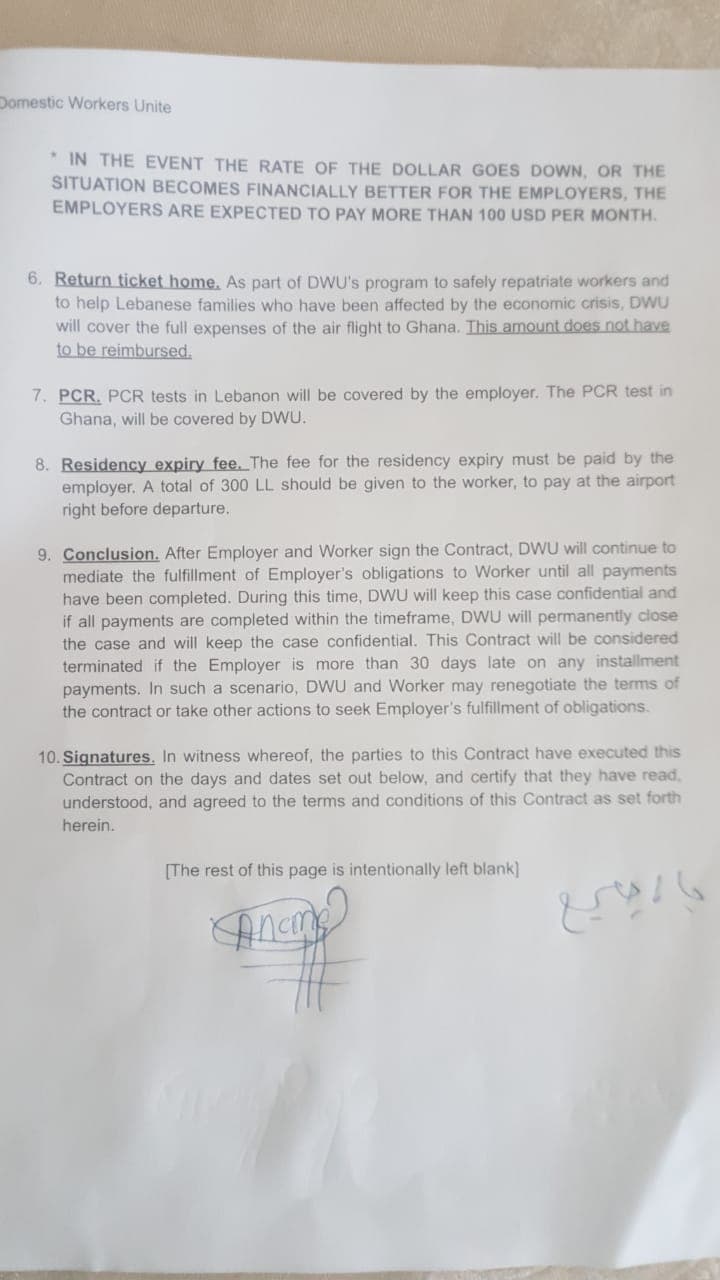
Following negotiations with Jean, Gifty flew home on 13 July 2021 on a ticket purchased by This Is Lebanon. The negotiator drew up a contract between Gifty and Jean in which he agreed to pay her $400 before departure and $100 monthly after repatriation until he cleared his debt of $3000 (see our salary calculation here). Whilst he did pay her $400 before departure, he has since paid only $490. Getting Jean to keep his word and fulfill his agreement has been like trying to get blood from a stone.
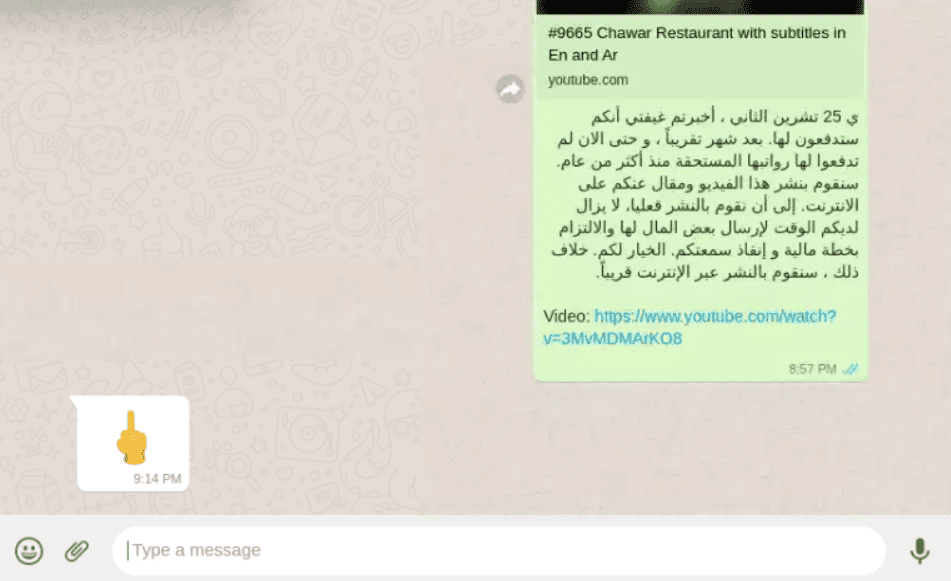
When Gifty contacted Jean’s wife, Micheline, from Ghana, she was met with angry insults. This Is Lebanon received the middle finger from her in response to our request that she honor the contract she signed promising to pay.
Unfortunately, Gifty’s efforts to improve life for her children ended in disappointment. Jean and Micheline still owe her $2,248 two and a half years after getting home.
We call on Jean and Micheline Geagea to pay Gifty the $2,248 they still owe her.
We call on our supporters to dine at Al-Chwar Restaurant and send Gifty the money which would have been spent on the meal. Sahtayn on Gifty’s heart.
We call on the Ministry of Labour to investigate whether any workers are currently being enslaved by Jean and Micheline Geagea.
**********
The worker has reviewed this article and confirmed that the information presented is accurate and she has consented to the sharing of her story.
This Is Lebanon was established in 2017 with the aim of working towards abolishing the kafala system in Lebanon. Our goal has been to raise awareness about the dangers of the kafala system by exposing the horrific conditions under which migrant domestic workers live and the perpetrators of abuse as well as advocating with and on behalf of migrant domestic workers. Ultimately, This Is Lebanon gives a voice to workers and encourages witnesses of abuse to come forward.
Kafala (the Arabic word for sponsorship) refers to the set of regulations and administrative practices used to sponsor and employ migrant workers in Lebanon, mostly women from African and Asian countries working for private households. Domestic workers are excluded from Lebanese labor law and lack basic protections. The kafala system protects abusers and denies domestic workers of basic human rights. The high degree of control over workers’ rights provided by the kafala system has led to cases of modern slavery, human trafficking, and exploitation.
The People
Having spent 13 months away from home, working faithfully and diligently, Gifty found herself in forced labour.
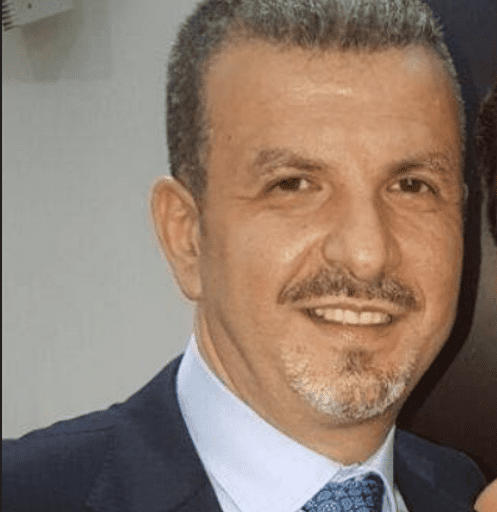
Jean Geagea

Micheline Geagea
Chwar Restaurant

Gifty
TAKE ACTION
We can’t do this alone. We need your help! Join us in this fight.
Contact the Sponsors
Talk to the Geagea family and ask them to pay Gifty her rightfully owed salary.
Share the Story
Tell others about this. Join us in the fight to ensure that Jean and Micheline are brought to justice.
Join Our Work
We need your help to continue our efforts in fighting for Gifty Appiah and others like her.
Get the Updates
Get the updates straight into your inbox so you don’t miss any part of the story.
القصة
في سبتمبر 2020، قام جان بالتبرع بمبلغ 2000 دولار لصالح حملة تجميع التبرعات لضحايا انفجار بيروت. في نفس الوقت تمامًا، كان يستعبد عاملته المنزلية، ويطلب منها الصبر لأنه ليس لديه دولارات.
غيفتي أبياه هي أم عازبة تبلغ من العمر 35 عامًا من غانا جاءت إلى لبنان لإعالة طفليها الصغيرين. لم تكن هذه هي أول وظيفة لغيفتي في الخارج، فقد عملت في المملكة العربية السعودية وكانت تقبض أجرها بالكامل، وحتى حصلت على مكافأة عند مغادرتها. تجربتها في لبنان كانت مختلفة جدًا.
وصلت إلى لبنان في 19 تشرين الثاني 2019، وبدأت العمل مع جان جعجع صاحب مطعم الشوار في ضبية، وزوجته المدرّسة ميشلين.
كان من المفترض أن تكون مهمتها تنظيف منزل جان، لكن جان وسّع نطاق التنظيف ليشمل مطعمه، والقيام بأعمال المطبخ في المطعم، وتنظيف منزل والديه. وهذا خرق للعقد الصادر عن وزارة العمل اللبنانية. قبلت غيفتي كل هذه المسؤوليات الإضافية على أمل الحصول على أجر ومكافأة مقابل العمل الإضافي.
كانت غيفتي خائفة جداً لدرجة أنه لم تكن حتى توافق على الاتصال بجان جعجع إلا بعد مرور ستة أشهر، في يونيو 2021. قال للمتفاوض أن غيفتي لا ترغب في الرحيل، وهو ما كنا نعرف أنه غير صحيح – فهي كانت يائسة للغاية للمغادرة. كما أنه نفى أنها كانت تقوم بأعمال التنظيف في المطعم، لكن غيفتي كانت قد أرسلت لنا بالفعل مقاطع فيديو تظهرها وهي تمسح أرضية المطبخ وتنظف المراحيض. ثم، حاول تأخير عملية إرسالها إلى بلدها عن طريق قطع وعود كاذبة لها، وهو يعلم جيدًا أنه لم يعد قادرًا على تأمين راتبها.
“أنا خائفة. كيف ستحمونني؟ من فضلكم ساعدوني في أخذ أموالي والعودة إلى غانا لأنه إذا بقيت هنا سيظلون لا يدفعون لي”.
كانت غيفتي خائفة جداً لدرجة أنه لم تكن حتى توافق على الاتصال بجان جعجع إلا بعد مرور ستة أشهر، في يونيو 2021. قال للمتفاوض أن غيفتي لا ترغب في الرحيل، وهو ما كنا نعرف أنه غير صحيح – فهي كانت يائسة للغاية للمغادرة. كما أنه نفى أنها كانت تقوم بأعمال التنظيف في المطعم، لكن غيفتي كانت قد أرسلت لنا بالفعل مقاطع فيديو تظهرها وهي تمسح أرضية المطبخ وتنظف المراحيض. ثم، حاول تأخير عملية إرسالها إلى بلدها عن طريق قطع وعود كاذبة لها، وهو يعلم جيدًا أنه لم يعد قادرًا على تأمين راتبها.
بعد المفاوضات مع جان، سافرت غيفتي إلى بلدها في 13 يوليو 2021 بتذكرة سفر تم شراؤها من قبل جمعية “هذا لبنان”. وقام المفاوض بتنظيم عقد بين غيفتي وجان يتعهد فيه بدفع مبلغ 400 دولار قبل المغادرة و 100 دولار شهريًا بعد المغادرة حتى يسد دينه البالغ 3000 دولار (انظر إلى حساب راتبنا هنا). دفع لها 400 دولار قبل المغادرة، إلا أنه منذ ذلك الحين دفع فقط 490 دولار. كان من الصعب جدًا إقناع جان بالوفاء بوعده وتنفيذ اتفاقه، تمامًا كصعوبة الحصول على الدم من الحجر.
عندما اتصلت غيفتي بزوجة جان، ميشيلين، من غانا، واجهتها بالشتائم الغاضبة. تلقت جمعية “هذا لبنان” إشارة الإصبع الوسطى منها ردًا على طلبنا منها أن تلتزم بالعقد الذي وقعته والذي يعد بدفع المال.
ندعو جان وميشيلين جعجع لدفع مبلغ 2248 دولارًا لجيفتي الذين ما زالا مدينين به.
ندعو مؤيدينا إلى تناول الطعام في مطعم الشوار وإرسال المال الذي كان سيتم صرفه على الوجبة إلى جيفتي. صحتين لقلب غيفتي.
ندعو وزارة العمل إلى التحقيق في ما إذا كان هناك أي عاملات يتم استعبادهن حاليًا من قبل جان وميشيلين جعجع.
*******
عندما اتصلت غيفتي بزوجة جان، ميشيلين، من غانا، واجهتها بالشتائم الغاضبة. تلقت جمعية “هذا لبنان” إشارة الإصبع الوسطى منها ردًا على طلبنا منها أن تلتزم بالعقد الذي وقعته والذي يعد بدفع المال.
THE VIDEO
Jessalyn happy she was able to obtain her salary
THE STORY
This Is Lebanon is always delighted to find that a non-paying employer has moved to the West. Such was the case with Jessalyn Besa, a 33-year-old Filipino, who was owed $1600 (4 months’ salary) by her employer. She had worked in his hair salon and spa in Lebanon and then he moved to Australia without paying her. We informed her employer that we would notify the Australian authorities, something we have done in previous cases. He eventually paid her the full amount. Jessalyn had not expected to ever receive her salary and was delighted!
القصة
من دواعي سرور “هذا لبنان” دائماً حين يغير صاحب العمل نهجه ويتصرف بحكمة. هكذا هو الحال مع جيسالين بيسا، فلبينية في الثالثة والثلاثين من عمرها، والتي كان صاحب العمل يدين لها بمبلغ 1,600 دولار (راتب أربعة أشهر). كانت قد عملت في صالون تصفيف الشعر والمنتجع الصحي الخاص به في لبنان، ثم انتقل إلى أستراليا دون أن يدفع لها. أخبرنا صاحب العمل بأننا سنبلغ السلطات الأسترالية، وهو أمر قمنا به في حالات سابقة. في النهاية دفع لها كامل المبلغ. لم تتوقع جيسالين أن تحصل على راتبها أبداً فكانت في منتهى السعادة!
THE VIDEO
THE STORY
Samira Mohammed’s first message to This Is Lebanon was, “My madam is owing me five months money and she didn’t want to pay me.” She reported that the family she worked for were beating her ‘day and night’. They constantly insulted her saying she smelled bad and did not work properly and would use these as excuses to not pay her. She did not get enough to eat and would often go to bed hungry. Her employers would disconnect the wifi to prevent her from reaching family. Things reached a head when Samira had pain in her hand which prevented her performing her tasks quickly. She was beaten for not working fast enough. With 5 months salary unpaid and after 15 months of continuous abuse, Samira could take it no more and found the courage to leave them.
Unfortunately, Samira’s problems did not end there. She was picked up from the side of the road by someone who said he would help her to find a new employer. He was no Good Samaritan: he was an agent who saw in Samira a chance to make some money. He placed Samira with a new family who paid him $1600. Part of that money was supposed to go to Samira for her 5 months’ unpaid salary. Samira was unaware of the deal that had been struck between the agent and her former and current employers. The agent conveniently ‘forgot’ to pay Samira.
The agent has dual Lebanese/Canadian citizenship. Less than twenty four hours after This Is Lebanon telling him he would be reported to the Canadian police for the crime of human trafficking, he sent Samira the $1000 she was owed. Samira returned to Ghana in May 2023.
Since the agent agreed to our negotiations and paid the worker her money, we will not reveal his name, as part of our agreement. However, This Is Lebanon continues to monitor the agent who knows that any further cases reported to us will result in a lawsuit against him in Canada and raising awareness of his abuses on our global platform.
Monitoring the malpractice of agencies that recruit migrant domestic workers is a top priority at This is Lebanon, since they are one of the root causes of domestic worker abuse including trafficking, wage theft, bonded labour and encouraging employers to engage in abusive practices.
This Is Lebanon was established in 2017 with the aim of working towards abolishing the kafala system in Lebanon. Our goal has been to raise awareness about the dangers of the kafala system by exposing the horrific conditions under which migrant domestic workers live and the perpetrators of abuse as well as advocating with and on behalf of migrant domestic workers. Ultimately, This Is Lebanon gives a voice to workers and encourages witnesses of abuse to come forward.
Kafala (the Arabic word for sponsorship) refers to the set of regulations and administrative practices used to sponsor and employ migrant workers in Lebanon, mostly women from African and Asian countries working for private households. Domestic workers are excluded from Lebanese labor law and lack basic protections. The kafala system protects abusers and denies domestic workers of basic human rights. The high degree of control over workers’ rights provided by the kafala system has led to cases of modern slavery, human trafficking, and exploitation.
القصة
كانت أول رسالة وجهتها سميرة محمد إلى جمعية “هذا لبنان” هي: “سيدتي تدين لي برواتب خمسة أشهر وهي لا تريد أن تدفع لي”. وذكرت أن الأسرة التي عملت لديها كانت تضربها “ليلاً ونهاراً”. لقد أهانوها باستمرار قائلين إن رائحتها كريهة وأنها لا تعمل بشكل جيد واستخدموا هذه الأمور كذرائع لعدم الدفع لها. لم تحصل على ما يكفي من الطعام وكانت تذهب إلى الفراش جائعة في كثير من الأحيان. قطع أصحاب عملها الاتصال بشبكة النت لمنعها من التواصل مع أسرتها. وصلت الأمور إلى ذروتها عندما شعرت سميرة بألم في يدها منعها من أداء مهامها بسرعة. تعرضت للضرب لأنها لا تعمل بالسرعة الكافية. بسبب عدم دفع رواتبها لمدة خمسة أشهر واستمرار سوء المعاملة لمدة خمسة عشر شهراً، لم تستطع سميرة تحمل الأمر أكثر من ذلك ووجدت الشجاعة لتركهم.
للأسف، لم تنته مشاكل سميرة عند هذا الحد. أخذها شخص ما على جانب الطريق وقال إنه سيساعدها في العثور على صاحب عمل جديد. لم يكن سامرياً صالحاً: لقد كان عميلاً رأى في سميرة فرصة لكسب بعض المال. وضع سميرة مع عائلة جديدة دفعت له 1600 دولار. كان من المفترض أن يذهب جزء من هذا المبلغ إلى سميرة مقابل رواتبها غير المدفوعة لمدة خمسة أشهر. لم تكن سميرة على علم بالصفقة التي تم إبرامها بين الوكيل وأصحاب العمل الحاليين والسابقين. تناسى الوكيل عمداً أن يدفع لسميرة.
يحمل الوكيل جنسية مزدوجة اللبنانية / الكندية. بعد أقل من أربع وعشرين ساعة من إبلاغ جمعية “هذا لبنان” له بأنه سيتم إبلاغ الشرطة الكندية بجريمة الاتجار بالبشر ، أرسل إلى سميرة مستحقاتها مبلغ ألف دولار. عادت سميرة إلى غانا في مايو 2023.
بما أن الوكيل وافق على مفاوضاتنا ودفع للعاملة مالها، فإننا لن نكشف عن اسمه، كجزء من اتفاقنا. تواصل جمعية “هذا لبنان” مراقبة الوكيل الذي يعلم أن أي قضايا أخرى يتم إبلاغنا عنها ستؤدي إلى رفع دعوى ضده في كندا ، وزيادة الوعي بانتهاكاته على منصتنا العالمية.
تُعد مراقبة الإنتهاكات لوكالات استقدام عاملات المنازل المهاجرات أولوية قصوى في جمعية “هذا لبنان”، لأنها أحد الأسباب الجذرية لإساءة معاملة عاملات المنازل، بما في ذلك الاتجار وسرقة الأجور والسخرة وتشجيع أصحاب العمل على الانخراط في ممارسات مسيئة.
تأسست جمعية “هذا لبنان” عام 2017 بهدف العمل على إلغاء نظام الكفالة في لبنان. كان هدفنا هو رفع مستوى الوعي حول مخاطر نظام الكفالة من خلال الكشف عن الظروف المروعة التي تعيش في ظلها عاملات المنازل المهاجرات ومرتكبي الانتهاكات، فضلاً عن الدفاع عن عاملات المنازل المهاجرات ونيابة عنهن. في النهاية ، تعطي جمعية “هذا لبنان” صوتاً للعاملات وتشجع شهود الانتهاكات على التكلم.
تشير الكفالة إلى مجموعة الأنظمة والممارسات الإدارية المستخدمة لرعاية وتوظيف العمال المهاجرين في لبنان، ومعظمهم من النساء من البلدان الأفريقية والآسيوية يعملن في منازل خاصة. إن عاملات المنازل مستبعدات من قانون العمل اللبناني ويفتقرن إلى تدابير الحماية الأساسية. يحمي نظام الكفالة المعنفين ويحرم عاملات المنازل من حقوق الإنسان الأساسية. أدت الدرجة العالية من السيطرة على حقوق العمال التي يوفرها نظام الكفالة إلى حالات العبودية الحديثة والاتجار بالبشر والاستغلال.
THE VIDEO
THE STORY
Martha began work for her employers in November 2019. When we called them, Martha’s ‘mister’ reported that she was extremely happy. We questioned this ‘happiness’, considering she had no communication with her family and they had not paid her for almost 16 months – $3,150 worth of salary .
After several calls with the employer, it became clear that whilst he boasted he was a good, god-fearing man, he had no intention of paying Martha or even letting her go back home – not to mention that he had not done her legal papers, leaving her undocumented. We drew his attention to the Ministry of Labour contract that stipulates it is his responsibility to pay salaries in full, every month, and failure to do so means the worker can terminate her contract.
In the end, it was not legal references that changed his or his wife’s mind; instead, it was when Martha’s family made a video pleading for their daughter’s safety and return home. When the video received strong traction on Facebook, Martha’s employer was finally willing to talk. He signed a contract that outlined how they would pay regular installments following her repatriation. On those grounds, we bought Martha’s ticket and she was reunited with her family in Ghana in June 2021. Whilst she did not travel with her salary, she was at least assured of receiving her salary over the course of the following year.
This Is Lebanon followed up every month with Martha’s employers, reminding them of their commitment. They were often short-tempered and screamed, explaining how we were ‘disturbing their peace of mind’. However, Martha’s rights and peace of mind were of little concern to them. Finally, on 27 December, 2022 Martha received her final installment and This Is Lebanon was able to close her file.
This Is Lebanon was established in 2017 with the aim of working towards abolishing the kafala system in Lebanon. Our goal has been to raise awareness about the dangers of the kafala system by exposing the horrific conditions under which migrant domestic workers live and the perpetrators of abuse as well as advocating with and on behalf of migrant domestic workers. Ultimately, This Is Lebanon gives a voice to workers and encourages witnesses of abuse to come forward.
Kafala (the Arabic word for sponsorship) refers to the set of regulations and administrative practices used to sponsor and employ migrant workers in Lebanon, mostly women from African and Asian countries working for private households. Domestic workers are excluded from Lebanese labor law and lack basic protections. The kafala system protects abusers and denies domestic workers of basic human rights. The high degree of control over workers’ rights provided by the kafala system has led to cases of modern slavery, human trafficking, and exploitation.
القصة
بدأت مارثا وظيفتها لدى أصحاب العمل في تشرين الثاني 2019. وحين اتصلنا بهم، ذكر “سيد” مارثا أنها كانت سعيدة للغاية. وقد ساورنا الشك بخصوص هذه “السعادة”، مع اعتبار أنها لم تكن على اتصال بعائلتها وأنهم لم يدفعوا لها مدة ستة عشر شهراً تقربياً – قيمة رواتب ما يعادل 3.150 دولار.
بعد عدة اتصالات هاتفية مع صاحب العمل، اتضح أنه بينما كان يتباهى بأنه رجل طيب ويتّقي الله، فهو لم يكن ينوي أن يدفع لمارثا أو حتى السماح لها بالعودة إلى بلدها– ناهيك عن أنه لم يقم بتسوية أوراقها القانونية، وأبقاها بدون وثائق. لفتنا انتباهه إلى عقد وزارة العمل الذي ينص على أنه من مسؤوليته دفع الرواتب كاملة كل شهر، وأن عدم القيام بذلك يعني أنه يمكن للعاملة إنهاء عقدها.
بينما كان أصحاب عمل مارثا البالغة من العمر 25 عاماً قد سافروا إلى الولايات المتحدة لتهنئة ابنتهم المقيمة هناك على ولادة طفلها، ، كانت عائلة مارثا في غانا يتحرّقون بحسرة لسماع أخبار ابنتهم المحتجزة في لبنان. عندما اتصلت بنا عائلة مارثا في 23 آذار 2021، لم يكونوا قد تحدثوا إليها منذ تسعة أشهر وكانوا في الواقع يخشون أنها ماتت.
في النهاية، لم تكن المراجع القانونية التي غيرت رأيه أو رأي زوجته؛ بل كان بسبب مقطع الفيديو الذي أعدّته عائلة مارثا الذي يطالبون فيه بسلامة ابنتهم وعودتها إلى الديار. وعندما حظي الفيديو باهتمام قوي على فيسبوك، رغب صاحب العمل في التحدث أخيراً. وقد وقّع عقداً يوضح كيف سيدفعون أقساطاً بشكل منتظم بعد إعادتها إلى الوطن. وعلى هذا الأساس، اشترينا تذكرة مارثا وتم جمع شملها مع عائلتها في غانا في حزيران 2021. في حين لم تسافر ومعها راتبها، كانت على الأقل مطمئنة بأنها ستتقاضى مستحقاتها خلال العام التالي.
كان “هذا لبنان” يتابع الأمر مع أصحاب عمل مارثا شهرياً، لتذكيرهم بالتزامهم. وغالباً ما كانوا يتضجّرون ويصرخون، موضحين كيف كنا “نقلق راحتهم.” ومع ذلك، لم يكن لهم أدنى اكتراث بحقوق مارثا وراحة بالها. أخيراً، في 27 كانون الأول 2022، استلمت مارثا القسط الأخير وتمكن “هذا لبنان” من إغلاق ملفها.
THE STORY
Bih Charlotte Ngafor left her two young children behind in Cameroon when she went to work as a domestic worker in Lebanon in February, 2019. She commenced work with her second employers, Maroun and Vivian Daher, in November 2019.
She contacted This Is Lebanon in late April 2020 asking for help as the Dahers had not paid her any salary and Maroun was sexually harassing her. Her monthly salary was $250 and the Dahers owed her $1,250. According to Charlotte, Maroun complained to her that his wife was not having sex with him and he was pressuring Charlotte to fill that gap. She wrote:
“He said that I should take off my dress so he could see my body and he exposed his manhood and asked me to touch it and have sex with him.”
Charlotte expressed concerns for her safety.
It was a difficult time for all domestic workers because of the lockdown and the closure of flights to their home countries. This Is Lebanon received an uptick in sexual abuse cases during this time because many men, who would normally be at work during the day, were inside the house with the domestic workers.
30 April, This Is Lebanon called Maroun about the non-payment. He did not deny it and promised to pay her “2-3 months” the following day. In response, he sent $750 by OMT.
2 May, without mentioning the sexual abuse, Charlotte told Vivian she wanted to be taken to the recruitment office and she recorded Vivian’s conversation with the agent secretly.
Rather telling is Vivian had to ask Charlotte which country she was from although she had lived in the same house with her for 6 months! Vivian referred to Charlotte as a whore and said she was making trouble. In fact, it was Vivian who was causing trouble having slapped Charlotte on two separate occasions.
6 July, concerned that we had not heard from Charlotte in 2 months, we contacted Maroun. His brother answered and informed us that “Charlotte was no good and had stopped working so they had put her at their mother’s house.”
He said they would put her on the first available plane home. We continued to ask the Dahers to send us a copy of the air ticket.
3 August, Charlotte flew home to Cameroon minus her bag, ID or phone. Two and a half months’ salary was still owed to her.
When asked what advice she would give to any woman considering going to Lebanon as a domestic worker, Charlotte replied:
“I would tell her to be very careful because Lebanon is not a good place to be.”
The People
“He said that I should take off my dress so he could see my body and he exposed his manhood and asked me to touch it and have sex with him.” – Charlotte Bih
Maroun Daher
Vivian Daher

Charlotte Bih
TAKE ACTION
We can’t do this alone. We need your help! Join us in this fight.
Contact the Sponsors
Talk to Maroun and Vivian Daher and ask them to pay Charlotte her rightfully owed salary!
Share the Story
Tell others about this. Join us in the fight to ensure that Maroun and Vivian Daher are brought to justice.
Join Our Work
We need your help to continue our efforts in fighting for Charlotte Bih and others like her.
Get the Updates
Get the updates straight into your inbox so you don’t miss any part of the story.
القصة
تركت “بيه شارلوت نغافور” طفليها الصغيرين في الكاميرون، وسافرت في شباط 2019 لتعمل كعاملة منزل في لبنان. وبدأت العمل لدى أصحاب العمل التاليين، مارون وفيفيان ضاهر، في تشرين الثاني 2019.
اتصلت بجمعية “هذا لبنان” في أواخر نيسان 2020 تطلب المساعدة لأن عائلة ضاهر لم تدفع لها أي راتب، وكان مارون يتحرش بها جنسياً. كان راتبها الشهري 250 دولار، و آل ضاهر يدينان لها بمبلغ 1250 دولار. وحسب قول شارلوت، اشتكى لها مارون من أن زوجته لم تكن تمارس الجنس معه، وكان يضغط على شارلوت لتملأ له هذا الفراغ. كتبت لنا:
“لقد طلب مني أن أخلع ثوبي لكي يرى جسدي وكشف عن منطقة رجولته وطلب مني أن ألمسه وأمارس الجنس معه”. وكانت شارلوت قلقة على سلامتها.
لقد كان وقتاً عصيباً لكل عاملات المنازل بسبب الإقفال العام وتعليق الرحلات الجوية إلى بلدانهن. وتلقّى “هذا لبنان” حالات أكثر من الاعتداء الجنسي خلال هذه المدة لأن العديد من الرجال، الذين يكونون عادة في العمل أثناء النهار، تواجدوا في البيت مع عاملات المنازل.
في 30 نيسان، اتصل “هذا لبنان” بمارون بخصوص عدم دفع الراتب. فلم ينكر ذلك، و وعد بأن يدفع لها أجور “شهرين أو ثلاثة أشهر” في اليوم التالي. وتنفيذاً لهذا الوعد، أرسل 750 دولار عن طريق OMT.
في 2 أيار، ودون أن تذكر شيئاً عن الاعتداء الجنسي، طلبت شارلوت من فيفيان أن تأخذها إلى مكتب التوظيف، وسجلت محادثة فيفيان مع الوكيل سراً.
يكفي القول بأنه كان على فيفيان أن تسأل شارلوت عن البلد الذي أتت منه رغم أنها عاشت معها في المنزل نفسه مدة 6 أشهر! حتى أن فيفيان أشارت إلى شارلوت بأنها عاهرة، وقالت أنها كانت تثير المتاعب. وفي الواقع، كانت فيفيان هي التي تسبب المشاكل لأنها صفعت شارلوت في موقفين مختلفين.
في 6 تموز، ساورنا القلق لعدم سماعنا أخبار شارلوت لمدة شهرين، فاتصلنا بمارون. ردّ شقيقه وأخبرنا أن “شارلوت لم تكن صالحة، وتوقفت عن العمل لذا أخذوها إلى منزل والدتهم.”
وقال بأنهم سوف يرسلوها على متن أول طائرة متوفرة للعودة إلى ديارها. واصلنا مطالبة آل ضاهر بأن يرسلوا لنا نسخة عن تذكرة الطيران.
في 3 آب، عادت شارلوت إلى الكاميرون بدون حقيبتها أو بطاقة هويتها أو حتى هاتفها. ومازالوا مدينين لها براتب شهرين ونصف.
حين سألنا شارلوت ما النصيحة التي تقدمها لأية امرأة تفكر في الذهاب إلى لبنان كعاملة منزل، أجابت:
“أقول لها بأن تكون حريصة للغاية لأن لبنان ليس مكاناً حسناً للذهاب إليه.”